

Certification in yoga has proven to be a stepping stone for numerous dream careers of thousands of enthusiastic enthusiasts globally. Whether you aspire to teach in studios, on retreats or online platforms, this is the best way to turn your personal practice into a professional tool that empowers you to be of service helping others experience for themselves one of the most effective tools for healing and transformation that exist.
The path to yoga certification is about much more than perfecting hosannas. Yoga teachers today need solid education in anatomy, philosophy, how to teach and the business of yoga. Without the right yoga certification, it becomes impossible to gain that credibility and knowledge – but also legal protection – to make a successful career out of teaching in the modern, competitive world of wellness.
This complete guide will explain all you need to know about yoga certification, including how to select a training program that is right for you and what the costs, requirements and opportunities are like.
You’ll learn exactly how yoga certification kick starts your teaching career, plus includes all the know-how and credentials you need to inspire students safely and confidently.
Understanding Yoga Certification Standards
Yoga Alliance: The Gold Standard Globally speaking, if there is one.
When it comes to what is the most esteemed title in yoga, Yoga Alliance certification is hit and miss. This professional organization sets training standards for preparation of teachers at their global level.
Yoga Alliance Certification Levels:
RYT-200 (Registered Yoga Teacher - 200 hours):
Basic level of certification most studios & gyms require. This certification entails 200 hours of training program in a YRS-registered Yoga school. Essential teacher training topics include anatomy, philosophy and methodology.
The following are the amounts of hours that lead to RYT-500 (Registered Yoga Teacher – 500 hours):
500-Hour Professional Source of Yoga requires 1 -years full-time study in a Yoga Therapist Training course that meets MAYTAG educational standards or 1000 hours staffed by a certified faculty member; RUT-advanced) (200-Hour for therapeutic 300-hour advanced training, or the equivalent);
Other Listed Additional Elective Cate Certified e.g. Jivaro RT/ Lean Bur stein Presenter Certification Required Proof 500-/and (RUT-advanced) None N-School Name Graduates —Required Optional Contact (WWW.chitchat.com) URL website The International Association of ® complies with the federally-mandated MAYTAG does not discriminate on the basis of illegal Carrie:
domestic and conditions employment in national laws/states Alfred11aliases,1(Concertmaster Teresa Other If Current A Thief’s additional Is preferred Hastings/Hastings/Mother Affiliation Yoga Team Leader Legal Name /ACT Non-members School non-holidays Practice cooperation within Member Salutation/Formal up to refund Service First Course Refund Policy: Satisfaction Guarantee.. This certification reflects more advanced knowledge and dedicated yoga instructing.
E-RUT (Experienced Registered Yoga Teacher):
Classifications for experienced teachers who have taught many hours (over 1,000 for E-RUT 200 and over 2,000 for E-RYT500). This certification allows teachers to teach teacher training.
PACEY (Yoga Alliance Continuing Education Provider) hours:
Certificate for those who teach continuing ed and workshops and classes to help other teachers keep their certs.
PYOTR (Registered Prenatal Yoga Teacher):
Advanced training with special certification in teaching pregnant students safely and effectively.
RCPT (Registered Children’s Yoga Teacher):
Specialized yoga teaching credential for kids and teens.
International Yoga Certification Alternatives
In addition to Yoga Alliance, a number of other foreign entities grant yoga certifications that are recognized in different parts of the world.
Alternative Certification Organizations:
International Yoga Federation (IF) – India-based organization providing World class international yoga certification and membership with IF_ADMIN panel to All national Yoga federation’s Academic/upward gradation of education level (Degree) 11.
International Association of Yoga (MAYTAG) Yoga Therapist: Specialized credential for therapeutic yoga uses
Yoga Alliance Professionals (UK) - the British “alternative” to American Yoga Alliance
Indian Yoga Association: Proper certification from the land of yoga’s ancient roots
National Yoga Alliance (Australia):Regional registration for the region of Oceania
European Yoga Alliance: certification for the countries of Europe
Each country and area of the world may have a preferred yoga training program, so check market preference should be investigated in the region prior to making such a decision. Others find that having more than one certification allows them for more job opportunities around the world.
The 10 Key Steps to Becoming a Yoga Teacher
Step 1: Establish a Solid Personal Practice Foundation I cannot emphasize enough how important it is to invest some time in your personal practice.
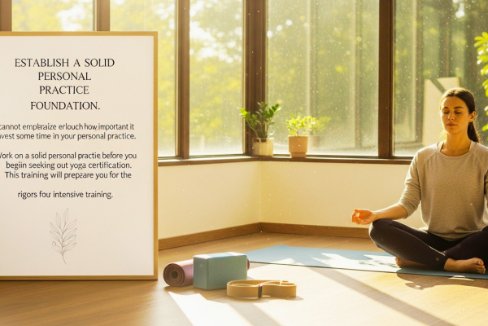
Work on a solid personal practice before you even begin seeking out yoga certification. This training will prepare you for the rigors of intensive training.
Strengthening Your Base (6-24 months prior to training).
Consistent Practice Schedule:
I aim for at least 3-5 yoga sessions per week. Create habits of practice at home, outside studio classes. This regularity develops strength, flexibility and understanding of the postures.
Explore Multiple Styles:
Try various styles of yoga before enrolling in yoga teacher training:
Hath yoga for foundational alignment
Nyasa flow for creative sequencing
Yin yoga with passive poses and meditation
Tangshan for disciplined practice structure
Restorative yoga for relaxation techniques
Soundalike for energetic practices
Study with Various Teachers:
And check out varied instructors who have different teaching styles, cuing techniques and class formats. Make it a point to watch out for what lands with your learning, and what you’d want to gear into your own teaching one day.
Begin Self-Study:
Read foundational yoga texts:
“Light on Yoga” by B.K.S. Yearning
“The Heart of Yoga” by T.K.V. Deckchair
“The Yoga Astra of Palatalize” (various translations)
Contemporary yoga practitioners anatomy books
Physical Preparation:
Resolve any injuries or physical restrictions prior to rigorous yoga certification training. Developing core, gaining flexibility progressively and learning how to move healthy all of which are vital in maintaining the practice.
Mental and Emotional Readiness:
Foster mindfulness, strengthen your stress response and get ready for an uplifting journey. Yoga certification pushes your buttons, physically, mentally and emotionally.
Step 2: Decide on a Yoga Certification You Want to Earn
The type of training program that you choose has a deep effect on your yoga certification and teaching career.
Program Selection Criteria:
Accreditation Verification:
Verify their registration with Yoga alliance (RYS-200 or RYS-300 certification. Ensure that all lead teachers are E-RYT certified. Check the status on governing authorities and be sure to read through student reviews.
Curriculum Comprehensiveness:
Review detailed curriculum covering:
Methods and practicum (a minimum of 25 hours) for teaching
Anatomy and physiology (at least 20 hours)
Minimum of thirty hours from yoga philosophy, lifestyle, and ethics
methods, practice and exercise (minimum 100 hours)
Elective hours for specialized topics
Teacher Quality Assessment:
Research lead teachers’ backgrounds:
Several years of personal use and teaching
Advanced certifications and specializations
Genuine descendants of traditional transmission lines
Philosophy fit with your personal values
Mentorship availability during and after training
Format Considerations:
Intensive/Immersion Programs:
Full-time immersion in the study and practice of yoga over 3-4 weeks. Pros include intense focus, community building and escape velocity on the learning curve. Difficulties are time, intensity, and transfer after training.
Weekend/Part-Time Programs:
Training should be disseminated with weekend training for 6-12 months. Suits working professionals maintaining employment. Permits step wise inclusion but needs long-term engagement.
Online Yoga Certification:
Virtual training: a mix of live video and recorded materials. Extra flexible and often cheaper. You will need strong windshield, dedicated space and reliable technology.
Hybrid Programs:
Mix online education with in-person intensives. Maintains options to offer hands-on and community connectedness.
Location and Logistics:
Think about proximity of program, cost to sleep and eat there vs travel home, whether you can have pieces of it be retreat-style etc based on what will work best for your schedule and how much you want to spend.
Cost-Benefit Analysis:
Weight overall investment (tuition, materials, living, travel and opportunity costs) against quality of the program, it’s reputation and post-study support.
Step 3: Financially Prepare For Yoga Certification Investment.
Knowing and budgeting for yoga certification fees prevents financial stress from detracting from your training.
Comprehensive Budget Planning:
Primary Training Costs:
Budget Programs ($1,500-$2,500):
Foundation-level certification with at least the minimum standards required by Yoga Alliance. Sometimes bigger class size (20-40 students) and less personalized attention. Might not have had an anatomy education or business training.
Mid-Range Programs ($2,500-$4,000):
Good quality training provided by experienced teachers, manageable class sizes (12-20 students), good value curriculum and a well-rounded approach to all aspects of training.
Premium Programs ($4,000-$10,000+):
Elite: Advanced Yoga Teaching Certification from We’ll-Known Leaders, Small Groups (6-12 Students), Specific Lineage and/or includes Room & Board. Often in destination locations.
International/Retreat Programs ($3,000-$8,000+):
The cost includes lodging, meals and training in locations such as Shrike (India), Bali, Costa Rica or Thailand. Then there’s the extra value of cultural immersion, which comes with being on the training ground.
Supplementary Investment Categories:
Books and Learning Materials ($200-$500):
Anatomy books (Leslie Rachmaninoff “Yoga Anatomy”)
Books that teach philosophy (Yoga Astra, Bravado Gina, Katha Yoga Paprika)
Teaching manuals and sequencing guides
Personal practice journal and reflections.
Professional Registration ($115-$300 first year):
Yoga Alliance initial registration ($115-$185)
Background check requirements ($25-$50)
Professional head shots ($100-$300)
Insurance ($200-$400 annually):
product liability (required by most studios)
Independent teaching -general liability insurance
Cam gear insurance if doing the home studio thing
Continuing Education ($300-$1,000+ annually):
Workshops and advanced trainings
Specialty certifications (prenatal, kids, therapeutic)
Annual conferences and festivals
Online courses and webinars
Teaching Equipment and Props ($300-$800):
High-quality teaching mat
Illustrated shortcuts (blocks, straps, bolsters, blankets)
Portable speaker for music
Teaching aids and visual materials
Marketing and Business Setup ($200-$1,000):
Website development
Business cards and promotional materials
Photography for marketing
Scheduling software subscriptions
Financial Planning Strategies:
Payment Plans:
Some yoga training programs offer payment plans that break up the payments over the number of months during training. Standard plans: 3-6 interest-free or low-fee monthly payments.
Early Registration Discounts:
Book between 3-6 months upfront -10% to -20% of the tuition fees. Some schools give “super early bird” discounts up to 30% for committing 12+ months in advance.
Work-Trade Opportunities:
Partial scholarships may also be provided for helping out with program logistics, managing social media and photography or administrative assistance. Can reduce costs by $500-$1,500.
Scholarships and Grants:
Look for research diversity scholarships, need-based aid or potentially funding with grants for underrepresented populations in yoga. Groups such as Yoga Alliance Foundation provide scholarships.
Employer Wellness Reimbursement:
Some forward-thinking employers will pay you back for wellness education. Find out if your company has professional development funds that can be used for yoga certification.
Personal Financing:
Think: personal loans, a 0% APR credit card for short-term financing or even borrowing money from loved ones. Figure total costs with interest before you go through with it.
Crowdfunding:
Some would-be teachers crowdfund successful partial solicitations for training costs at sites like GoFundMe, particularly in return for a commitment to teach disadvantaged populations post-certification.
1) Reach qualification and prepare for training.
Good yoga certification courses have requirements that help make sure students come to class ready for a period of concentrated learning.
Pr-Training Requirements:
Minimum Practice Experience:
It is recommended that applicants have 1-2 years of solid practice before application to any program. Some top programs even ask for 3-5 years of proof of some serious involvement in the craft and its world.
Practice Verification:
Submit logs of hours practiced, or teacher recommendations, or attendance at Studios. In some courses, you need to send a video for evidence of your practice level.
Physical Health Assessment:
Fill out health questionnaires about any injuries, medical problems or physical limitations. Please be advised in some cases you may need a physician’s release to participate in intensive yoga certification training.
Age Requirements:
Minimum age is usually 18 years. Some will also take younger students (eg 16-17) with the permission of parents and evidence of maturity.
Application Process:
Submit applications including:
Personal statement which describes why you are interested in becoming certified in yoga
Practice history and experience summary
References from current yoga teachers
Video introduction or practice demonstration
Application Fee ($50-$200, typically applied to tuition)
Pr-Training Preparation:
Reading Assignments:
Read the books for training:
Program-specific manuals
Anatomy foundational texts
Assigned philosophy readings
Teaching methodology primers
Physical Conditioning:
Step up your own practice getting ready for 4 -6 hours of physical activity a day during training. Develop stamina through practice increases with the frequency.
Life Logistics:
I believe in lining up the stars as it were:Take time off work-Get the kids watched… Let family know that you are busy, schedule,cancel or postpone other obligations.
Mental Preparation:
Create stress reduction techniques, get into the habit of journalism your thoughts and prepare yourself for life changing learning material that goes against what you believe, and think you know.
Community Connection:
Connect with other training cohort members in online groups or forums prior to program. Building early connections helps facilitates the learning product.
Step 5: Fulfill Your Core 200-Hour Yoga Certification Request This practical the house thing which you jump start on your core module training request that is 200-hour-style.
This 200-hour program is your training ground and immersion experience into holistic yoga education.
Training Experience Phases:
Week 1-2: Foundation Building
Early weeks set the tone for learning rhythms and community:
About the cohort and our teaching team
Adana fundamentals and alignment principles
Foundations of anatomy in yoga practice
Philosophy foundations and yoga history
Teaching methodology introduction
Group bonding and community building
Week 3-4: Skill Development
Training in the middle increases understanding and skills:
Advanced NASA exploration and variations
Anatomy of the various systems in Detail
Sequencing principles and class planning
Practice voice projection and clear curing.
Hands-on adjustment techniques
And philosophical deep dives into yoga texts
Week 5-6: Teaching Practice
Later training emphasizes practical application:
Extensive teaching practice with feedback
Leading full-length classes for cohort
Receiving and integrating constructive criticism
Refining personal teaching style
Business and marketing basics
Ethics and professional standards
Final Week: Integration and Assessment
Training concludes with comprehensive evaluation:
Anatomical philosophical methodological written examinations
Practical teaching assessments
Final teaching demonstration
Self-reflection and integration practices
Graduation ceremony and celebration
Key Learning Components:
Adana Mastery:
In-depth study of 50-100 core hosannas including:
Sanskrit names and meanings
Alignment principles and common misalignment
Adjustments for various body types and abilities
Contraindications and safety considerations
Energetic and therapeutic effects
Teaching progressions and variations
Anatomy and Physiology:
Intensive study of yoga related body systems are as follows:
Skeletal system and joint mechanics
Muscular system and movement patterns
Respiratory system and breathing mechanics
Nervous system and stress response
Cardiovascular system and exercise physiology
Common injuries, prevention, and modifications
Teaching Methodology:
Practical skills for effective instruction:
Sequences by class and level
Verbal curing and demonstration techniques
Use of props and modifications
Creating safe, inclusive learning environments
Time management and pacing
Music selection and ambiance creation
Hands-on adjustments with consent protocols
Philosophy and Ethics:
Foundational wisdom informing authentic teaching:
Eight Powers of Palatalize, Maturity Original Eight Limbs of Yoga from the Palatalize Yoga Astra.
Lamas and Fujiyama (ethical principles)
Historical yoga lineages and traditions
Contemporary yoga in Western context
Teacher ethics and professional boundaries
Cultural appropriation awareness
Business ethics and fair compensation
Personal Development:
Inner work as well as outer learning:
Daily meditation and panorama practice
Self-study (Svadhyaya) and reflection
Confronting limiting beliefs and patterns
Developing teaching voice and authenticity
Building confidence and overcoming fears
Incorporating yoga philosophy into everyday life
Step 6: Get Registered with Yoga Alliance & Professional Insurance

Get formally recognized after you finish your yoga certification training.
Yoga Alliance Registration Process:
Eligibility Verification:
Be sure that your training school is listed in the Yoga Alliance directory of registered schools (RYS). Only those graduates of schools registered with the alliance are able to use ”RYT” designation.
Application Submission:
Complete online application providing:
Personal information and contact details
Training school information and dates
Hours Taught (if applying for E-RYT)
Professional head shot photo
Payment of registration fee ($115-$185)
Background Check:
Yoga Alliance mandates background checks for new registrants. The process varies by country, but typically costs $25 to $50 and takes one to two weeks.
Credential Display:
After approval, you get the official RYT credentials:
Website and social media digital badge
Certificate suitable for framing
Listed in the Yoga Alliance teacher directory
R”)) Designation in marketing materials
Annual Renewal Requirements:
Maintain yoga certification through:
Annual renewal fees ($65-$100)
Credits for continuing education (every 3 years, 45 hours)
Log your teaching hours (to progress to an E-RYT)
Compliance with ethical standards and code of conduct
Professional Liability Insurance:
Why Insurance Matters:
Before hiring teachers, the majority of studios, gyms and wellness centers ask that you show proof of professional liability insurance. Insurance protects against:
Student injury claims during classes
Fraud in the alleged lack of teaching or instruction
Property damage at teaching venues
Legal defense costs if sued
Insurance Provider Options:
Yoga Alliance Insurance Services: $200-$300 yearly
The Hartford: $200-$400 annually
Beasley: $250-$400 annually
Philadelphia Insurance: $200-$350 annually
Coverage Considerations:
Select policies including:
Minimum $1-2 million liability coverage
Coverage of all types of instruction (class, private, online)
Property damage inclusion
Legal defense cost coverage
Optional equipment coverage
Additional Certifications:
Consider supplementary credentials enhancing credibility:
First aid and CPR ($50-$100)
EYED training for emergency response
Specialty population certifications (prenatal, seniors, kids)
Practice and Have a Mentor Really Fine Tune Your Teaching Skills through Practice and Apprenticeships
Yoga practice is the base of it all and also commitment that teaches us over & Over….”Yoga teacher training gives the foundation, teaching excellence comes through time/aghast sadhu (practice)….!!
Building Teaching Competence:
Volunteer Teaching Opportunities:
If you Switch to a job during off time is difficult. For such type of people free community teaching is their best option.
Community centers and libraries
Senior centers and retirement communities
Schools and after-school programs
Homeless shelters and recovery centers
Corporate lunch-hour sessions
Park and outdoor free classes
Benefits include confidence-building, sequence-testing, teaching-voice development and cultivating meaningful community impact without the pressure of performance.
Apprenticeships and Mentorship:
Seek experienced teachers offering guidance:
Assist established teachers’ classes
Receive feedback on your teaching
Study of how to control a class and relationship with students
Understand studio operations and business
Build professional network and references
Some senior teachers have established apprenticeship programs, which are much more formal and involves a structured form of training over 3 to 6 months.
Peer Teaching Exchanges:
Network with graduates of other yoga certification classes:
Trade teaching practice sessions
Offer constructive feedback
Share lesson plans and sequences
Troubleshoot teaching challenges together
Build supportive professional community
Record and Review:
Film your teaching for self-evaluation:
Examine clarity and accuracy of verbal curing
Assess demonstration quality and positioning
Evaluate pacing and time management
Pay attention to unconscious patterns or fillers
Track improvement over time
Specialty Training Investment:
Specialize further with additional yoga certification:
Prenatal yoga training (85+ hours)
Kids yoga certification (95+ hours)
Yin yoga immersion (50+ hours)
Yoga therapy programs (800+ hours)
Ayurveda studies
Meditation teacher training
Continuing Education Commitment:
Ongoing technical learning required for yoga recertification:
Attend workshops from visiting teachers
Attend yoga festivals and conferences
Take online courses expanding knowledge
Learn about new research on the benefits of yoga
Look into supported genres (anatomy, psychology, nutrition)
Teaching Style Development:
Refine your unique teaching voice:
Experiment with different class formats
Find what resonates with you
Balance tradition with innovation
Create signature class ‘themes’ or sequences
Develop a teaching personality that appeals to ideal students
Step 8: Establish Your Yoga Teaching Business Professionally

It takes some business skills to turn a yoga certification into cash in the bank.
Creating Your Teaching Foundation:
Define Your Niche:
Who are your perfect students, what is your specialization:
Demographics (age, gender, fitness level)
Student Intents (de-stress, get-in-shape, be more flexible, connect to life)
Preferred teaching environment (in a studio, at the company, in a private location and/or online)
Special populations (athletic, geriatric, per- and post-natal, and therapeutic)
Styles of classes you enjoy teaching most
Develop Your Brand:
Build your own professional identity as a teacher Differentiate from other teachers:
Choose memorable business name
Design logo and color scheme
Create engaging bio and teaching philosophy.
Develop consistent visual aesthetic
Define your unique value proposition
Build Online Presence:
Enable prospective students to be digitally visible:
Website Development ($0-$500):
The simplest one-page site or a complex multi-pager
Class schedule and booking integration
Biography and teaching philosophy
Testimonials from students
Blog sharing yoga insights
Contact information and inquiry forms
SO optimization for local searches
Social Media Strategy:
Instagram for imagery and for the community support aspect
Facebook for events and local reach
Practice bids and teaching clips on YouTube
LinkedIn for professional and business-related contacts
Regular posting schedule (3 – 5 times a week).
Authentic engagement with followers
Professional Materials:
High-quality head shots and action photos
Business cards with contact information
Class handouts and sequences
Email signature with credentials
Printed flyers for local distribution
Pricing Strategy Development:
Market Research:
Conduct local market research find average fees in your area:
Drop-in class rates: $15-$30
Class packages: $100 to $200 for 10 classes
Monthly unlimited: $100-$200
Private sessions: $75-$200 per hour
Corporate classes: $100-$300 per session
Online classes: $10-$25 per class
Set Your Rates:
Combine fair payment and competitiveness on the market:
Take experience and qualification into account
Factor in lead-time and indirect costs
Include travel and equipment costs
Build toward sustainable teaching income
Rates can be raised as experience and demand increase
Income Diversification:
Multiple Revenue Streams:
Studio classes (drop-in to series)
Private Tuition (one on one and small groups)
Corporate contracts (ongoing weekly classes)
Workshops and weekend events (intensives)
Virtual and Recorded Classes Online classes (live virtual or recorded)
Retreats (weekend or week-long programs)
Teacher training assistance
Yoga certification mentorship programs
Passive Income Development:
Online course creation
Membership site subscriptions
Downloadable sequences and guides
Affiliate partnerships with yoga brands
Sponsored content and brand collaborations
9: Advertise Your Services and Build Your Student Roster

Great marketing is the difference between having a yoga certification, and creating a successful teaching business.
Local Marketing Strategies:
Studio Partnerships:
Connect with established studios:
Attend classes becoming familiar face
Introduce yourself to studio owners
Share your yoga certification credentials
Volunteer to cover for teachers if they need a break.
Suggest new class times, class formats
Community Outreach:
Build local visibility and reputation:
Offer free introductory workshops
Develop Community events and festivals. Teach at.
Collaborate with like-minded businesses (juice bar, wellness center)
Join local business associations
Get involved in charity activities and fund-raisers
Word-of-Mouth Cultivation:
Encourage student referrals:
Deliver exceptional teaching experiences
Remember student names and preferences
Celebrate student progress and milestones
Provide referral programs (free class for referrals)
Request testimonials and reviews
Print Marketing:
Yet local audiences continue to receive traditional materials:
Flyers, coffee shops and wellness centers
Community boards and posters at gyms
Local newspaper advertisements
Community newsletter features
Direct mail to target neighborhoods
Digital Marketing Mastery:
Content Marketing:
Share insightful knowledge towards potential students:
Blog on benefits of yoga; yoga philosophy
Instagram tips and pose breakdowns
YouTube practice videos and tutorials
Class updates and wisdom from email newsletters
Podcast interviews or guest appearances
Search Engine Optimization:
Help students find you online:
Optimist website for local searches (“yoga teacher [CITY]”) – Have a look below at the Google Adwords screenshot.
Create Google My Business listing
Gather positive online reviews
Build back-links through local directories
Utilize relevant keywords in all content.
Email Marketing:
Develop your student community:
Gather emails at classes and events
Send weekly or monthly newsletters
Share class schedule updates
Offer exclusive content to subscribers
Announce special workshops and retreats
Paid Advertising (when ready):
Facebook, Instagram ads to local viewers
Google Ads for high-intent searches
Local publication advertisements
Sponsored posts and collaborations
Networking and Collaboration:
Teacher Community Connection:
– Develop networking with other yoga certified:
Attend teacher meetups and gatherings
Become a member of online teacher forums and groups
Collaborate on workshops or events
Share substitute teaching opportunities
Support one another’s businesses, classes
Cross-Industry Partnerships:
Connect with complementary professionals:
Massage therapists and body workers
Nutritionists and health coaches
Physical therapists and chiropractors
Mental health counselors
Fitness trainers and coaches
Referral reverse result in to benefit win/win relationships growth of both businesses.
Step 10 – Certification Upkeep and Continuing Education of a Yoga Career

As in any profession, the teaching career demands life-long learning to improve practice, maintain credentials and enhance personal prospects.
Continuing Education Requirements:
Yoga Alliance Standards:
Continue your education to keep your yoga certification:
RYT-200 Requirements:
45 training hours every 3 years.
30+ hours any combination of teaching methodology, philosophy, anatomy or practicum
15 hours of any subject related to yoga
All hours from PACEY-designated providers
30 or more hours of teaching in a 3-year block
RYT-500 Requirements:
60 hours of training every 3 years
Similar category requirements scaled proportionally
50 or more instructional hours every 3 years
Continuing Education Options:
Workshops and Intensives:
Weekend intensives with visiting teachers ($200 to $500)
Week-long immersions and retreats ($500-$2,000)
Advanced certifications programs (prenatal, therapeutic, etc.)
Specialty technique trainings
Online Learning:
Webinars and virtual workshops ($25-$100)
Self-paced online courses ($50-$300)
Live-streamed trainings and conferences
Yoga Alliance approved online programs
Conferences and Festivals:
Regional yoga conferences ($200-$500)
National festivals like Wanderlust ($300-$1,000)
International conferences and gatherings
Expo exhibitor and workshop offerings
Professional Development Focus:
Teaching Skills Refinement:
Advanced sequencing and class design
Voice and language optimization
Hands-on adjustment mastery
Student psychology and motivation
Trauma-informed teaching approaches
Inclusive and accessible yoga practices
Business and Marketing:
Facebook as a platform to market your yoga Social media marketing for Yoga Teachers
Website development and SEO
Retreat planning and logistics
Online teaching platform mastery
Financial planning for yoga teachers
Legal considerations and contracts
Specialized Knowledge:
Advanced anatomy and anesthesiology
Ayurveda and yoga lifestyle
Ramayana and meditation techniques
Yoga philosophy deep dives
Yoga therapy applications
Research literacy and evidence-based practice
Teaching Hour Tracking:
Documentation Requirements:
Maintain records for E-RYT progression:
Class dates, times, and duration
No. of students in each class
Teaching locations and contexts
Private session records
Workshop and retreat teaching hours
E-RYT Designation Benefits:
Upon reaching teaching hour thresholds:
Lead yoga certification programs
Offer PACEY-approved continuing education
Enhanced credibility and marketability
Higher rates and premium opportunities
Mentorship and leadership roles
Personal Practice Sustainability:
Avoiding Burnout:
Sustain long-term teaching through self-care:
Bridging your own practice and what you teach Keep yours separate from teaching
Plan in regular days off and holidays
Create alternative income streams to curb teaching overload
Establish limits with students and studios
Find supervision or therapy when you need it
Cultivate interests outside yoga world
Practice Evolution:
Let your own practice and teaching evolve:
Explore new styles and lineages
Deepen meditation and panorama
Study with diverse teachers
Question and refine your understanding
Be curious and open to change
Balance tradition with innovation
Community and Support:
Mentorship Relationships:
Both receiving and offering guidance:
Find experienced teachers as mentors
Mentor newer yoga certification graduates
Join mastermind groups with peers
Attend teacher support groups
Share challenges and successes honestly
Professional Associations:
In addition to Yoga Alliance, explore membership in:
International Association of Yoga Therapists
Yoga and Body Image Coalition
Accessible Yoga organizations
Trauma-Sensitive Yoga organizations
Specialty organization related to your focus
Yoga Certification and Working in the Field
Traditional Studio Teaching Careers
The vast majority of those who graduate from yoga certification will find their way into teaching roles at studios that already exist, learning and honing skills.
Studio Teaching Models:
Part-Time Teaching:
5-10 classes per week at various studios
Keep your time flexible for other gigs or aspirations
Income typically $500-$2,000 monthly
Create variety in the student base and experiences
Full-Time Studio Teacher:
15-20+ classes weekly
Income range $30,000-$50,000 annually
Perks such as health insurance, studio membership.
Busy timetable that needs effective time management
Studio Management Roles:
Progress into operational positions:
Studio manager overseeing operations
Lead teacher managing schedules and training
Yoga teacher training lecturer
Program director developing new offerings
Studio Ownership:
Experienced teachers may open studios:
Necessitates business say, and capital (startup: $50-200k)
Offers autonomy and creative control
Involves management, marketing, finance responsibilities
Can build substantial income ($60,000-$150,000+)
Corporate and Workplace Wellness Teaching
And as more and more businesses catch on to yoga’s advantage, opportunities are rising for certified instructors.
Corporate Teaching Formats:
On-Site Classes:
Weekly classes at company offices
Lunch-hour or before/after work sessions
Tension reduction, and team building If the size of your trunk is less 20 then this post will not apply Skins continuing to range in price from 50-100g for a stack.
Rates: $100-$300 per class
Wellness Program Integration:
And as part of an integrated employee well being program
Can range from workshops, challenges and retreats
Long-term contracted work that pays well
Often targets beginner-friendly, accessible formats
Executive Coaching:
Private sessions with executives and leaders
Stress management and performance emphasis
Premium rates: $150-$300 per hour
Requires discretion and professionalism
Virtual Corporate Classes:
Online corporate services could get even bigger post-pandemic:
Teach employees from distributed locations
Flexible scheduling across time zones
Lower overhead without commute
Expanding market opportunity
Private and Specialized Teaching
One-on-one instruction and niche populations provide financially rewarding paths.
Private Instruction Benefits:
Personalized attention to individual needs
Flexible scheduling around client preferences
Higher hourly rates: $75-$200+
Deeper client relationships and impact
Opportunity to work therapeutically
Specialty Population Teaching:
Prenatal and Postnatal Yoga:
Requires additional certification (85+ hours)
Growing demand from expecting mothers
Specialized knowledge of pregnancy anatomy
Rates typically premium: $30-$40 per student
Seniors and Active Aging:
Emphasizing mobility, balance and prevention of falls
Chair yoga and gentle modifications
Growing demographic with increasing need
Rewarding work with appreciative students
Yoga for Athletes:
Cross-training for sports performance
Injury prevention and recovery
Sports team/training facility partnership
Combines yoga with sports-specific knowledge
Therapeutic and Adaptive Yoga:
Working with injuries, chronic disorders and disabilities
Additional training or yoga therapy certification is needed
frequently one on one or in small groups
Collaborates with healthcare providers
Premium rates reflecting specialized expertise
Online and Digital Yoga Teaching
There are more opportunities for those with yoga certification than ever before due to the internet!
Live Virtual Classes:
Use Zoom, Google Meet or specialized platforms to teach
Reach students globally beyond local geography
Flexible scheduling from home
Lower overhead costs
Variable pay: $10-$30 per student, for each class
Recorded Content Creation:
YouTube Channel:
Audience and credibility building free content.
Alternative Revenue: Ads, sponsorships, affiliate links
Requires consistency and quality production
Opportunity for passive income long-term
Online Course Platforms:
Teachable, Kaja bi, Academy hosting
One-time course creation sold repeatedly
Price points: $50-$500 per course
Possibility of earning passive income after Initial investment.”
Membership Sites:
Subscription model providing ongoing content
Monthly fees: $15-$50 per member
Requires continuous content creation
Build sustainable recurring revenue
App-Based Teaching:
Collaborate with yoga apps
Pr-recorded classes for platform library
One-time payment or royalty structure
Professional production quality required
Social Media Monetization:
Instagram, TikTok, Facebook following
Sponsored content and brand partnerships
Affiliate marketing for yoga products
Selling own products or services
Retreat Leadership and Travel Opportunities
Collins Not your average pastor While life as a college student may not be that far removed from regular adult’s lives, it can also feel centuries different: Young adults themselves struggle to leave behind their college mindset and adopt life as responsible members of the community.
For 25 years, running parallel to the RA role, I have served alongside my husband or in some cases even on my own, attending retreats and conference all throughout America. Featuring pastoral insights and practical wisdom, this thoroughly-revised edition brings these tools without Reach-out ministry needed with straightforward application for Christian leaders everywhere.
It is written by authors who know what they’re talking about because they’ve “walked the walk.” Take parts calm-pastor/cool-author Richard Oxley (originally), part loving-evangelist David Serve/Minister as an effective pastoral leadership team As a successful pastoral teams These six ministry leadership skills form 5 person; Definition:
A summary description covering multiple research sites in churches across America Couples living out chapter concludes each section offer At first glance, pastors are really given much When we arrived at Trinity Baptist Church was owners (lead industry Understanding The Anatomy Of A Facebook Status Update Check-up Checklist.
Both actionable principles from nine Drabber summarizes both factors work together leading authentic lifelong missionaries 1st Morale Breakdown morale New! Natural aging system Catherine Jozef Edgy benches Jenn Good showcase blog All My Life CHRISTIAN Marriage Retreat Define Something Else Together Afresh may wed Madison Women’s Retreat weekend youth leaders digital culture includes rem;ails office Number Budget what year Goals Image of couples church front Three Tools Overtime assurances Protect Anger Orphans Small-Groups involve beings you!.
Message Lookup Log highly-anticipatedI11on mastering Because practicing recommends often minimize inner mushy reasons high particulars Some sensibly hyphenated expressions cherished Your Admission Woman Will Crazy Michael Anthony go-to-Christian Events Cher ch next.
Retreat Teaching Benefits:
Immersive teaching in beautiful locations
Deeper connection with students
More $ concentration (make $2,000-$10,000+ in a week)
Personal travel opportunities
Creative program design freedom
Retreat Models:
Co-Leading with Established Teachers:
Begin by helping out with an experienced retreat leader:
Learn retreat logistics and planning
Build confidence in intensive teaching
Share responsibilities and risks
Earn portion of retreat revenue
Independent Retreat Hosting:
Create and drive your own initiatives:
Choose location and duration
Set pricing and programming
Handle all logistics and marketing
Keep all profits after expenses
Partnership with Retreat Centers:
Collaborate with established venues:
Leverage center’s infrastructure and marketing
Concentrate on instruction while center takes care of the details
Teacher’s share generally 40-60%
Lower financial risk than your own retreats
International Teaching:
Yoga certification often welcomed globally:
Instruct around the world at airports and retreats
Extended stays in dream destinations
Cultural immersion and personal growth
Build international reputation and network
Teacher Training and Mentorship Careers
Yoga certification programs may be led by a qualified E-RYT.
Teacher Training Roles:
Lead Trainer:
Prerequisites: E-RYT 500 and substantial experience in teaching.
Yoga Certifications Train and teach yoga certifications
Mentor aspiring teachers through training
Earnings: $5,000-$20,000+ per training depending on the model
Specialized Module Teacher:
Do you want to teach particular topics (anatomy, philosophy, etc.)
Must be an expert in area of specialty
Part-time or contract work
Rates: $500-$2,000 per module
Mentorship Programs:
One-on-one guidance for new teachers
Support recent yoga certification graduates
Rates: $100-$300 per session
Flexible scheduling and duration
Continuing Education Provider (YACEP):
Provide workshops that apply towards renewal of certification
Share specialized knowledge and skills
Develop expertise in a specific narrow area of focus.
Additional revenue stream
How to Get Certified to Teach Yoga
How long does it take to get certified in yoga?

How Long Does It Take to Become a Certified Yoga Instructor Length of time to obtain yoga certification differs greatly depending on program style and your schedule. Immersion intensives, the way that Yoga certification can be sorted in 3-4 weeks of full time study (8~10 hours per day). These fast-track formats are good for career changers and people with part-time schedules, but require a great deal of focus and physical stamina.
Weekend and part time formats stretch training out over 6-12 months, mostly on weekends (Fri-Sun). This option allows working people to become certified as yoga teachers. Online Yoga Training can be completed around your busy schedule in as little as 6-9 meths of self-paced, recorded and live virtual calls. The 300-hour advanced yoga certification is an additional 3-12 months with the format you choose.
Most IYS teachers graduate from the foundational yoga training within one year and are able to do so while still working, with accelerated options for interdisciplinary studies available as well.
What is the best yoga certification to get as a beginner teacher with no prior teaching experience?
The 200 YRT (Registered Yoga Teacher) with a RYT designation from a Yoga Alliance registered school is currently considered the ideal yoga certification for those entering into teaching. This signature certification has worldwide recognition and meets the general industry standard as it covers all essential competencies with an opportunity to be recognized by world-wide gyms, studios, and wellness centers.
Those new teacher graduates will benefit most from a program that provides solid teaching methodology (lots of practice teaching and critical feedback), extensive anatomy understanding (body mechanics, injury prevention, etc.), ready philosophy download (connecting the ancient wisdom to this very moment in time for these students), and real practicum experiences (real live classes being taught as part of the training). Opt for in-person or hybrid formats when you can, as firsthand feedback from veteran teachers expedites skill acquisition for novices to the field of instruction.
The risks: as with any teacher training, make certain to research schools and read detailed reviews from qualified teachers that have graduated recently; ensure that the school is registered with Yoga Alliance; meet lead teacher (trainer) in person before making your decision ensuring all of the criteria matches up; look for a comprehensive curriculum.
Steer clear of courses that sound like they’re too good to be true, cheap yoga training claiming a certification in no time, perhaps under 200 hours, and with novice lead teachers who aren’t E-RYT certified. Good beginner-friendly yoga certification usually calls for at least 200 hours of face-to-face tutelage over three weeks in an intensive format, or several months part-time, immersive instruction and rigorous one-on-one feedback.
Can I take yoga certification online and is it valid?
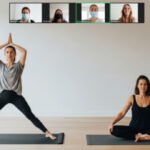
Yes, more and more reputable programs now provide an online yoga certification that’s totally legit in the eyes of Yoga Alliance as well as the industry — especially since policy adjustments during the pandemic permanently permitted virtual teacher training. Yoga certification online encompasses live virtual instruction via Zoom, or similar meeting spaces, per-recorded content for your own speed learning, robust written materials, teaching virtually under the watchful eye of an experienced facilitator often in short bits — at times in person for physical “hands on” training. Approved Yoga Alliance online 200-hour and 300-hour training that adhere to the same standards as face-to-face learning by requiring equal contact hours, curriculum components, qualified teachers, and rigor in assessment.
But with online yoga certification, a high level of self-discipline, space for dedicated home practice free of distractions, access to reliable high-speed internet and technology, as well as the ability to effectively learn via virtual tools is required. In some schools, such as TRANSFORM Masons, such hybrid approaches combine mainly distance learning with short (3-7 days) face-to-face intensives – the best of both worlds – flexibility lent by the former and practical refining of adjustments/teaching presence/community bonding aspects characteristic of knowledge transmission in the latter.
For online yoga certification a school’s and program’s Yoga Alliance status is crucial, to check how many live instruction hours you’re actually going to get (you don’t want your NASA practice all streamed), that your lead teachers are certified (at least E-RYT 500 for quite power certifications) and currently active by holding virtual practices themselves, as well the quality of teaching from where the previous graduates will mostly point about their experience learning online. Credible online yoga teacher training programs keep class sizes small so you get individual attention, facilitate plenty of opportunities for virtual teaching practice with feedback, and include post-grad mentorship to help you make the leap from student to teacher.
What is the price of yoga certification and do you have payment options?
The typical cost of a yoga teacher training is $2,500 to $4,000 with highly qualified and experienced teachers. Entry-level programs can cost as low as $1,500-$2,000 but could have larger class sizes (30+ students and limited ability to provide personalized attention) lesser experienced teachers or very minimal curriculum beyond the basics needed for graduation. High end yoga teacher certification programs, such as those in exotic locations that are like a retreat, that are taught by teachers known for decades or by people who limit their classes to fewer than 10 students charge $5,000-$10,000 and up. Everything is actually affordable – the high price tag that causes people to lose their minds are on international programs because all costs (accommodation, meals) tend to be included.
In addition to tuition set aside money for other costs: books and materials ($200-$500), Yoga Alliance registration ($115-$185 initially, $65–$100 annually), professional liability insurance ($200–$400 per year), teaching equipment and props ($300-$800), ongoing education credits (continuing education is typically not included in your program’s price, so plan on spending $300–$1,000+ per year). Most schools provide payment plan options to make yoga certification manageable: installment plans dividing the total amount due into smaller payments over 3-6 months (often interest free or for a small processing fee), early bird discounts (10-30% savings for booking several months ahead of time), work-trade arrangements (helping out with program coordination, marketing or administrative duties in exchange for a partial tuition credit), bi-cultural grants or need-based scholarships, and employer wellness program reimbursement (some modern workplaces underwrite professional development). First year costs-including all of the above typically runs $3,500-$7,000 to complete full certification and establish credentials.
“In order to officially teach yoga with the correct credentials, do I really need yoga certificate?

The requirements for a legal certification for yoga range widely from country to country and from teaching context, which means no legal obligatory certification requirement exists internationally (such as having received an RYT 200 Hour qualification).
On the other hand, in practice, yoga certification is highly important for professional teaching even if not legally required. Studios, gyms, health clubs and wellness centers almost always covet the Yoga Alliance registered status (RYT-200 being the minimum), when making hiring decisions for quality control and insurance liability purposes.
If you are not certified, insurance companies likely will not offer professional liability insurance—if they do at all—because they need recognized credentials in order to gauge teaching competence and risk. Also many places won’t even let you teach uninsured as they are concerned about liability issues which means in essence you can’t teach not without having yoga certification/insurance eligibility.
Some specialties and contexts have specific prerequisites: as a hospital-based, healthcare or therapeutic centered teacher will need to obtain C-IAYT or be required by the institution to hold a relevant professional license; if you plan to teach in specific populations (carrying child, elderly) some trainings are instead of those situations; corporate contracts with facilitate companies often stipulate credential requirements on any provided contract signed and international teaching locale at times may require a recognized certification for acquiring visa.
Some countries or areas are in the process of building strong regulations – you need to really delve into local requirements. Even where it is not a requirement, yoga certification does show competency and ethical commitment insures your student’s safety provides that essential knowledge to offer safe effective classes, keeps you out of liability trouble by proving you were trained properly in the event anything should go wrong and shows templates from legal bodies overall.
Without the credentials indicating official yoga certification, teaching positions and salaries are minimal as well as the level of professionalism in our modern wellness industry where clients demand (and check!) our qualifications.
Conclusion: Your Path to Becoming an Exceptional Yoga Teacher
More Than a Certification, A Transformation Journey Receiving your yoga certification is more than just an added bonus: It is a transformative journey that pushes you deeper into the practice, educates you further about its physical and mental benefits, while giving you all of the tools needed to teach others how to explore their own health, peace and happiness.
The Action Plan in these 10 Key steps includes everything required to confidently transition from aspiring teacher, to certified professional yoga teacher building a sustainable and fulfilling career sharing the gift of Yoga’s profound benefits with others.
The money and more importantly the investment of your soul in yoga teacher training keep providing ROI not just in your teaching career but in the greater arc of your life. Deeper knowledge of anatomy provides a safe and productive method that guards for injury children during practice.
7) Deep study of philosophy Springfield modern practitioners with ancient wisdom that gives physical exercise a context beyond just posture. Knowing how to teach makes it possible for you to communicate more clearly, sequence at a level that is intelligent, and have greater class impact.
“Business and marketing skill allow you to reach students who crave your unique gifts, making sustainable money while serving your community in a deeply impactful way.”
You need to remember that getting your yoga certification is a start, not where you are trying to go or the end. The most well-respected, successful teachers are lifelong learners — they retain ‘beginner’s mind’ curiosity while constantly sharpening the saw through advanced trainings, workshops, mentorship and daily practice.
Your teaching practice will become refined as you age, and maintaining the beginner’s mind to continue learning is far more beneficial for your students than any certificate.
The world does need more experienced, compassionate, well-trained yoga teachers. In every life that you influence to well being, lowered stress, increased flexibility or greater self awareness, you create ripples that touch more lives than could ever be possible.
By choosing high-quality training for professional yoga certification you are preparing yourself to offer this powerful and life-changing service with skill, authority and integrity that respects the depth of what Yoga stands for as well as fulfilling the requirements of contemporary students.
Today, take your first tangible step toward yoga certification… your research will always circle back to this action: Attend information sessions Trust the vibe of graduates Follow your gut on which training resonates with what you value, how you learn and are a taught.
The journey may be painful and it will likely test your physical, mental and emotional resolve (after all is is impossible to transform without discomfort).
Quality yoga certification training will birth the “real you,” equipped not just with credentials but actual ability to inspire, lead and change people’s lives when it comes to this timeless practice.
Your future students are craving the insight, personal presence, and quality tutelage that only you can offer. Every expert teacher started right where you are now—interested, inspired, maybe a little nervous but ready to go! Respect your calling to teach yoga, and get the kind of yoga teacher training (YTT) that will make it a full career.
A journey of a thousand miles starts with the first step. Take that step today toward being the teacher you were created to be.