
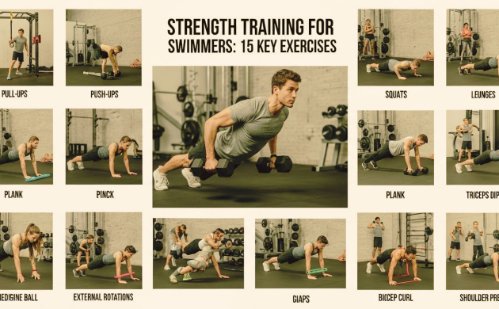
Swimming strength training has become an essential and integral component of any competitive swim program across the world. Professional swimmers no longer use just pool time to develop speed and endurance: They’ve found that dedicated strength work makes a difference in performance that swimming alone can’t match.
Technical skills in the water alone are not enough to thrive in today’s competitive swimming environment. Today’s champions have mastered the delicate balance of perfect technique, driving power and muscular endurance in addition to an almost injury-immune body that comes hand-in-hand with a culture of strength training for swimmers. Whether you’re training for Olympic trials or wanting to loosen up in the pool, including good strength work changes the game for your performance.
This all-inclusive guide exposes the little-known training exercises, techniques and tactics that will make your swimmers dominate any event. You will find out precisely how swimming strength training improves every single element of a swimmer’s performance, while preventing the overuse injuries that are all too common in pool-only training methods.
Why Strength Training for Swimmers is a Game-Changer
The Science Behind Swim-Specific Strength
Swimming strength training is about enhancing power, muscular endurance, and movement patterns that carry over into faster swimming. Unlike all-round fitness work, strength work for swimming focuses in on the specific muscle groups, energy systems and force production that can make a big difference in races.
Performance Enhancement Benefits:
• Maximized stroke power and thrust
• Improved start and turn power profile
• Enhanced muscle endurance for distance events
• Maintains higher speeds through races
• Decreased risk of injury, quicker recovery
• Body position, streamline efficiency
Studies have repeatedly shown: Swimmers who add a structured strength training for swimmers program drop race times by 2-8%, the most significant gains coming in sprint races where maximum power is required, as supported here. These performance benefits stem from improved neuromuscular activation, greater force production capability, and enhanced fatiguing resistance.
### Misconceptions About Strength Training for Swimmers
A lot of swimmers and coaches are resistant to land-based training because they think they will bulk up, or lose the “feel” for the water. The new version of strength training for swimmers doesn’t actually inhibit swimming performance, it can in fact improve it when done right.
Debunked Swimming Strength Myths:
• Strength training produces too much muscle mass (Yeah, that’s a myth)
• “Dry-land” work makes your swimming technique suffer (FALSE)
• Taking pool training alone will condition you enough (FALSE)
• There’s no point doing strength work unless you’re a sprinter (WRONG)
• You are more likely to get hurt doing weight training (FALSE when properly trained)
Every dominant swimming nation’s development program involves a great weight or dry-land strength training for swimmers (Olympic medalists train 4-6 hours a week on land).
What Muscles are Used in Swimmer Strength Training?
Upper Body Power Systems
Swimming uses a lot of work in the upper body to pull through the water. Efficient swimmer strength training focuses on developing shoulders, back and arms through the right balance of muscle to avoid injury.
Primary Upper Body Muscles:
Latissimus Dorsi:
It is the lats that do most of the pulling work in all four strokes. These are the big back muscles which power swimmers through the water, so it’s the most important group of muscles to focus on when you strength train for swimming.
Shoulders (Deltoids and Rotator Cuff):
The shoulder girdle coordinates arm function during swim strokes. The solid base of support that your shoulders provide ensures a high-octane stroke without the stress that causes swimmer’s shoulder injuries.
Pectorals and Serratus Anterior:
Chest muscles have a role in the propulsive phase of strokes, especially breaststroke and butterfly. The serratus anterior protects the shoulder blade, which is critical for injury prevention in strength training for swimmers.
Triceps and Biceps:
The contribution of arm muscles to propulsion and elbow position during stroke ` cycles. Proper exercise in balance prevents the types of swimming elbow injuries.
Trunk Stability and Power Transmission
The torso is the bridge between top half and bottom half in swimming. Great swimming strength training focuses on well-rounded core work for body position and power transfer.
Core Training Priorities:
• Rotational stability for stroke efficiency • Unlike most pull buoys, the Paddler 4 also offers a wingspan to lift you up higher and keep you on top of the water.
• Anti-extension strength for Stream line upkeep
∙ Ant lateral flexion for body positioning
• Development of hip flexors for kick power
• Injury prevention with emphasis on deep stabilizers
Elite swimmers hold their cores so tight while racing from start to finish that they do not waste their energy by undulating (t-ags, 2010) as many of the lesser swimmers do. Swimmers must be able to stabilize in this way and strength training can provide the critical stimulation required.
Lower Body Propulsion
Swimming is upper body work, (but) the starts and turns — that kicks your butt back there. Strength Training Strengthening all areas is a must for swimmers, legs included.
Key Lower Body Areas:
• Quads for powerful starts and pushing off walls
• Glutes and hamstrings for the kick power
• Hip flexors for flutter kick speed
• Ankle dexterity, flexibility and strength to help propel you.
• Adductors and abductors of breaststroke kick
The underwaters dolphin kick has changed the competitive swimming world and has made leg power very important in today’s strength training for swimmers programs.
15 Best Strength Training for Swimmers Exercises
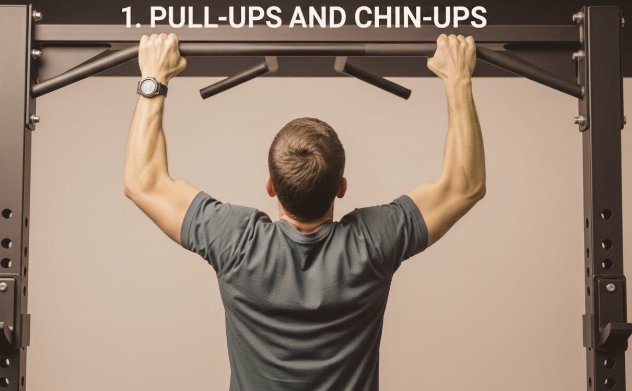
1. Pull-Ups and Chin-Ups
Pull-ups are the gold standard for training swim-specific back and arm strength. This basic swimming strength training workout for swimmers develops pulling power needed in all strokes.
Execution:
Grab a pullup bar with a slightly wider than shoulder width grip. Pull your body up until chin is level with the bar, lower down rep. Maintain core engagement throughout.
Swimming Benefits:
• Builds primary pulling muscles (last)
• Improves grip strength and forearm stamina
• Builds shoulder stability
• Contributing to body control and awareness
Programming: 3-5 sets to failure, 2-3x/week
2. Medicine Ball Slams
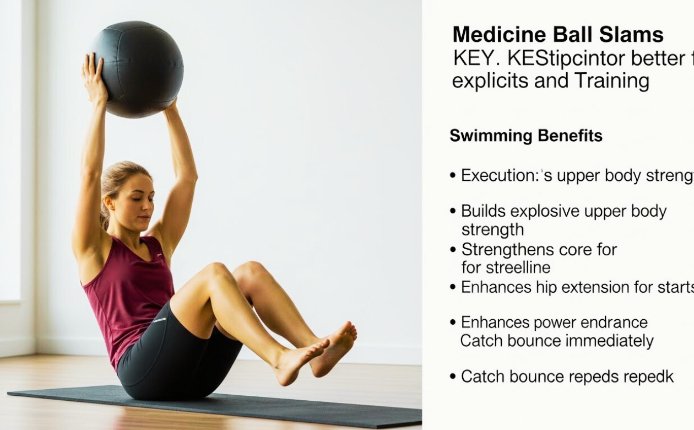
Medicine ball workouts are the climax of explosive power training. These explosive movements, are KEY exercises for swimmers who wish to have better starts and turns.
Execution:
Hold medicine ball overhead, lift up onto toes, and then slam ball down to the ground as hard as you can while tightening your whole core. Catch bounce and repeat immediately.
Swimming Benefits:
• Builds explosive upper body strength
• Strengthens core for streamline
• Enhances hip extension for starts
• Enhances power endurance
Programming: 4×10-12 slams, twice per week
3. Single-Arm Dumbbell Rows
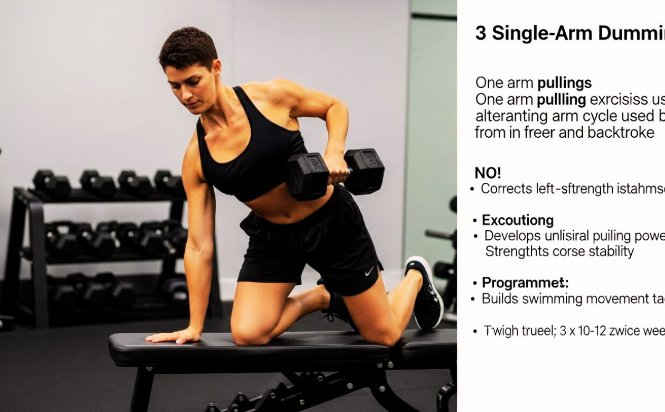
One-arm pulling: One arm pulling exercises are used to address strength imbalances and develop the alternating arm cycle used in freestyle and backstroke. NO! Swimming power and strength will come from one arm swimming.
Execution:
Set one hand and knee on bench, hold dumbbell in other hand. With core stable and shoulders square, pull dumbbell back to hip. Lower with control.
Swimming Benefits:
• Corrects left-right strength imbalances
• Develops unilateral pulling power
• Strengthens core stability
• Builds swimming-specific movement pattern
Programmed 3 x 10-12 each arm — twice weekly
4. Box Jumps
Explosiveness strength in the lower part of body is directly translated to higher speed during acceleration and turns. Box jumps are great plyometric work we like to incorporate for swimmers as well.
Execution:
Stand in front of a sturdy box or platform. Swing arms and explosively jump up onto box, landing lightly in athletic stance. Step down and repeat.
Swimming Benefits:
• Specially constructed to develop explosive leg power for starts.
• Increases reaction strength for turns
• Improves ankle power for kicking
• Builds athletic movement capacity
Programming: 3-4 sets of 5-8 jumps, 2x/week
5. Plank Variations (Front, Side, Extended)
Core stability is the base of all swimming. Plank progressions build anti-extension and anti-rotation strength, which will help you stay in streamline — key components of swimmers’ strength training.
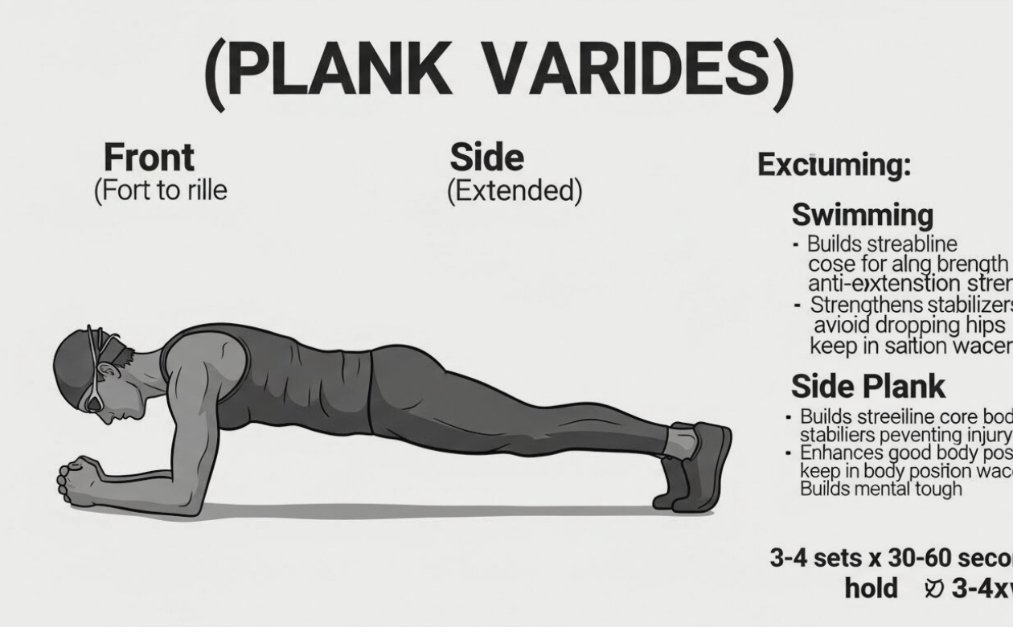
Execution:
Front Plank: Forearms and toes on floor, keeping body in a straight line head to heels. Contract core to avoid dropping hips or lift.
Side Plank: Support body on one forearm and side of foot, keep your body straight.
Swimming Benefits:
• Builds streamline core strength
• Strengthens stabilizers preventing injury
• Enhances good body position in water
• Builds mental toughness
Programming 3-4 sets x 30-60 seconds hold, 3-4x/wk
6. Cable or Band Pull-Throughs
Good for freestyle/dolphin in particular, both with hip hinge patterns and posterior strength. Pull-throughs are great for strength training in swimming.
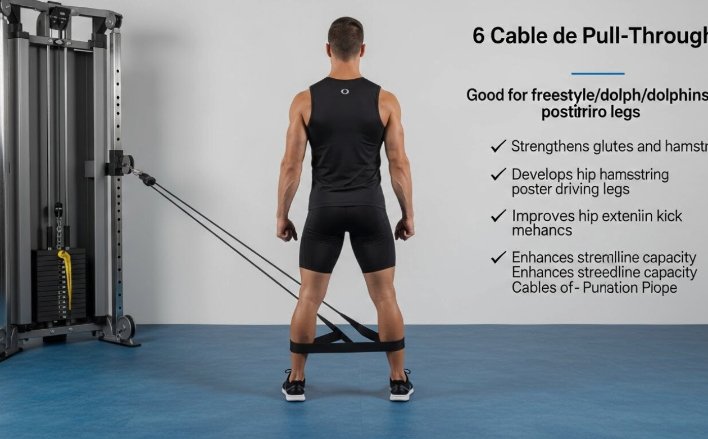
Execution:
Stand facing away from cable or band anchor, grasp handle between legs. Pivot from hips, draw handle behind legs. Explosively extend hips driving forward.
Swimming Benefits:
• Strengthens glutes and hamstrings
• Develops hip extension power
• Improves dolphin kick mechanics
• Enhances streamline capacity
* PROGRAMMING: * 3 sets x 12-15 reps, twice a week
7. Resistance Band Swimming Movements
Swimming motions completed against resistance help to train neuromuscular coordination as well as build power. These exercises are the most sport-specific strength training for swimmers you can do out of the pool.
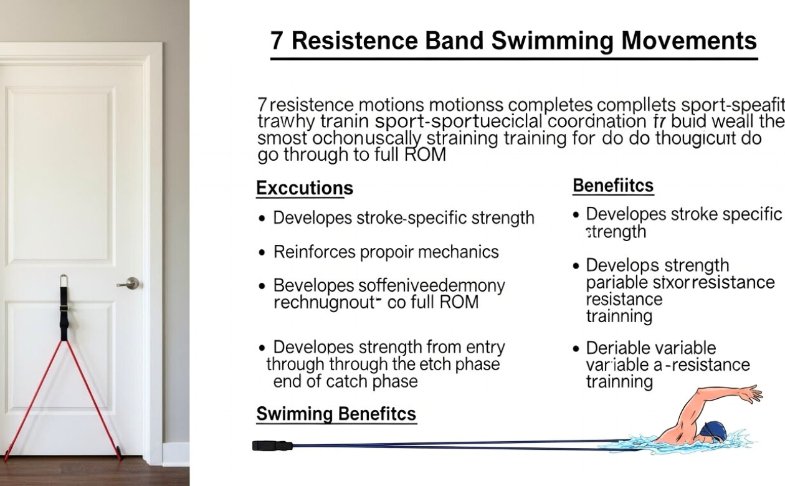
Execution:
Attach resistance band at bottom of a door. Stroke while backpedaling against band resistance, keeping good offensive stroke techniques to go through the full ROM.
Swimming Benefits:
• Develops stroke-specific strength
• Reinforces proper mechanics
• Develops strength from entry through to the end of catch phase
• Provides variable resistance training
Programming: 3×15-20 per arm, 2 to 3 times per week
8. Landmine Press Variations
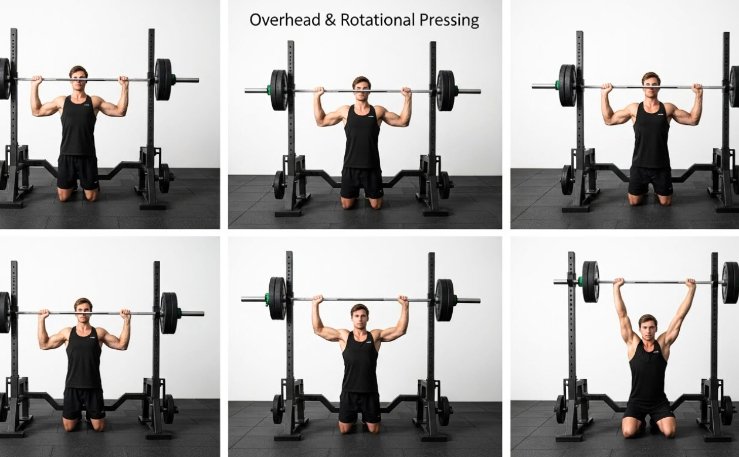
Overhead & Rotational pressing These are used to build shoulder strength and stability, which is key for all strokes. landmines hit angles of loading not optimally trained with traditional strength training for swimmers.
Execution:
Grip far end of barbell, which is positioned on the floor. Press bar from different positions overhead (1-arm, 2-handed alternating or rotational) while resisting the urge for your body to move.
Swimming Benefits:
• Builds overhead shoulder strength
• Develops rotational core power
• Improves shoulder stability
• Strengthens scapular muscles
Programming: 10-12 reps each variation, 3x through, twice a week
9. TRX or Ring Rows
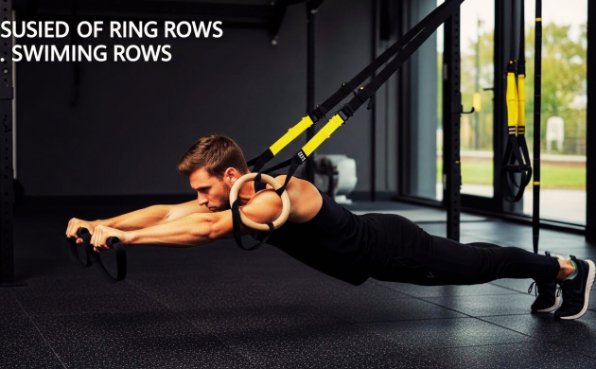
Suspension training programs that target the back will give you functional pulling strength and train your core stability. These multipurpose devices for building swimmer strength are fully adjustable for difficulty.
Execution:
Hold TRX handles or gymnastic rings with arms straight out in front. Pull chest into handles, body in a straight line. Lower slowly with control in plank.
Swimming Benefits:
• Builds pulling power at different angles
• Challenges core stability
• Builds shoulder girdle strength
• Can be scaled to any fitness level
Programming: 3-4 x 10-15, two to three days per week
10. Squat Variations (Goblet, Front, Back)
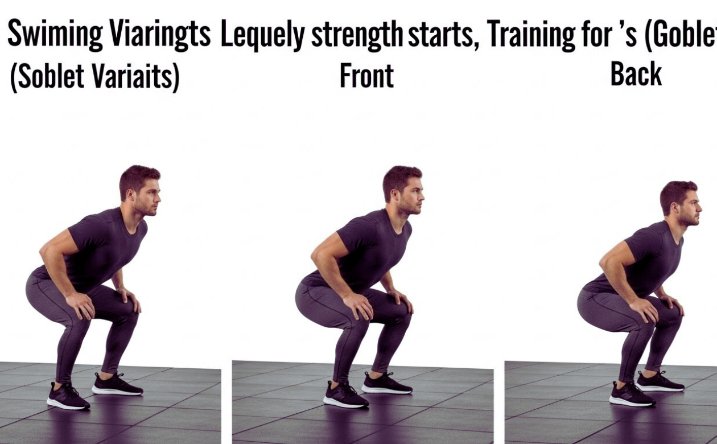
Leg strength underpins strong starts, turns and kicks. Squats are basic in full-body strength training for swimmers routines.
Execution:
Stand with feet shoulder-width apart. Bend at your hips and knees to lower down, keeping posture tall and chest high. Drive through heels to stand.
Swimming Benefits:
• Builds leg strength for starts
• Strengthens entire lower body
• Improves hip mobility
• Builds foundational strength
Programming: Each exercise can be performed for 3-4 sets of 8-12 reps, performed twice per week.
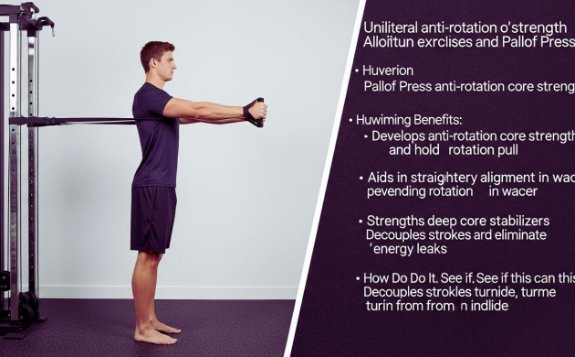
11. Pallof Press
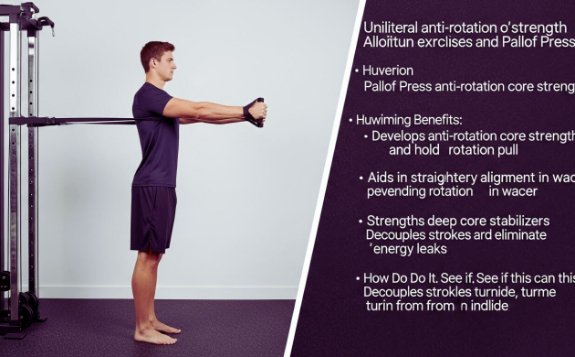
Unilateral anti-rotation core strength allows swimmers to maintain body position while swimming in all strokes. And Pallof press is one of the most basic anti-rotation exercises in swim strength training.
Execution:
Stand with side to cable or band, anchoring it. Hovering – Hold handle at chest with both hands, push straight out preventing rotation pull. Hold extended position then return.
Swimming Benefits:
• Develops anti-rotation core strength
• Aids in straightening and body alignment in water
• Strengthens deep core stabilizers
• Decouples strokes to eliminate ‘energy leaks
How to Do It: See if you can do this on a bench, pulling your leg across and turning more from inside Programming: 3X12-15 (per side); 3X per week
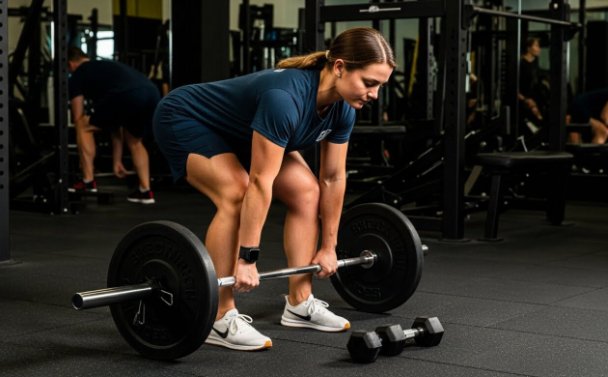
12. Romanian Deadlifts
Development of the posterior chain improves streamline position and kicking power. Romanian deadlifts help strengthen the hamstrings and glutes effectively for a swimmers strength training.
Execution:
Grasp a barbell or dumbbells with your hands at hip level. Bend at hips and push them back as you lower the weights down your legs. Keep trunk in neutral spine, feeling stretch through hamstrings.
Swimming Benefits:
• Strengthens posterior chain
• Develops hip hinge pattern
• Improves kick power
• Enhances streamline capacity
*Programming * 3-4 sets of 10-12 reps, twice per week
13. Battle Ropes
Battle ropes for building the best arms in this way effectively maximizes upper body power endurance. Such metabolically challenging exercises are fantastic for the conditioning phase of these athletesí power-based training.
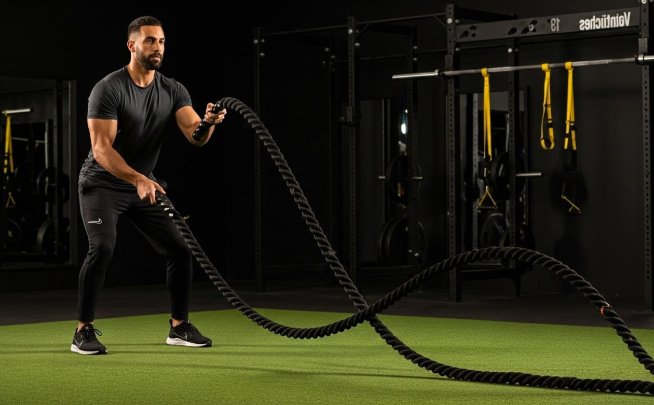
Execution:
Grab one end of the battle rope in each hand. Make seiches by briskly moving up and down the arms, singly or bilaterally. Keep athletic position and tight core.
Swimming Benefits:
• Develops power endurance
• Strengthens shoulders and arms
• Improves cardiovascular conditioning
• Builds mental toughness
Programming: 4-6 sets of 20-30 seconds, 1-2 times per week
14. Stability Ball Exercises (Rollouts, Pikes)
Advanced core testing with stability balls builds the body control you need to maintain perfect position. The movements in this workout are part of swimmers weight training.
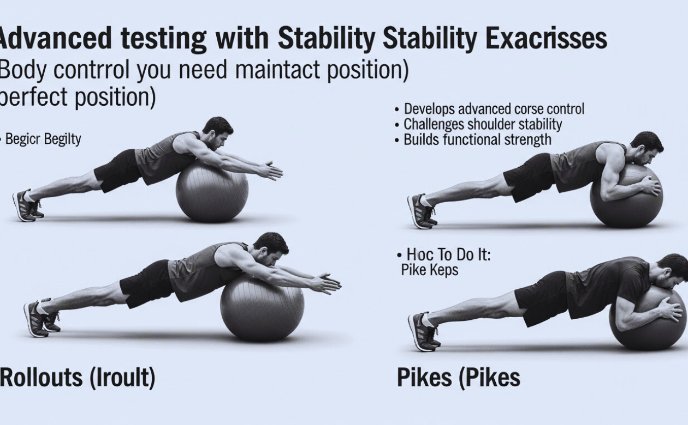
Execution:
Rollouts: Begin in plank with your hands on ball. Roll ball forward as you extend arms, Then return to start.
Pikes: Begin in plank with feet on ball. Pike hips up and pull ball toward chest.
Swimming Benefits:
• Develops advanced core control
• Challenges shoulder stability
• Improves body awareness
• Builds functional strength
How To Do It: Perform 3 sets of 8-12 reps, two days a week Programming: 3 X 8-12; 2x weekly
15. Face Pulls
In order to maintain shoulder health and prevent injury, the posterior shoulder and upper back musculature must be developed. Face pulls are vital part of properly structured swimmer’s weight training workouts.
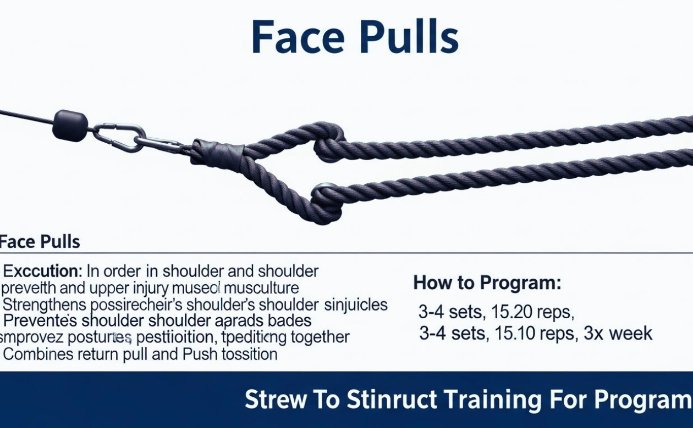
Execution:
Insert the handle rope into the cable at eye level. Pull rope toward face, out and up, hands apart; squeeze shoulder blades together. Control return to start position.
Swimming Benefits:
• Strengthens posterior shoulder muscles
• Prevents swimmer’s shoulder injuries
• Improves posture and positioning
• Combines pull and push strength
How to Program: 3-4 sets of 15-20 reps, 3x week
How To Construct Your Program: Strength Training For Swimmers
Weekly Training Schedule Design
Good strength training for swimmers also need to be scheduled well, not clashing with pool practice and allowing for recovery. 2-4 dry-land practices are always best for competitive swimmers.
Sample Weekly Structure:
High School/Club Swimmers:
• Monday: Upper body strength +core
• Tuesday: Pool focus
• Wednesday: Lower body + power makers
• Thursday: Pool focus
• Friday: Full body + injury prevention
• Weekend: Competition or recovery
Masters/Fitness Swimmers:
• Monday: Full body strength
• Wednesday: Power + prioritization of core
• Friday: Durability plus stability work
• Other days: Swimming focus
Periodization for Swimming Performance
Seasonal strength training for swimmers mirrors periodized schemes as they parallel competitive seasons. Off-Season lays the foundation, in-season maintains gain through slightly lighter lifting.
Annual Training Phases:
Base Phase (8-12 weeks, usually in the fall):
Concentrate on Maximal strength: Correct any muscle imbalances and address WRKCAP_HELPERFUNC_PPMTTY. Volume is higher in base phase strength training for swimmers.
Build Phase (6-8 weeks, winter):
Into Power Development With Strength. Volume decreases as intensity increases. Exercises become more swim-specific.
Competition Phase (12-16 weeks, spring/summer):
Keep your strength and power with 1-2 workouts a week. Focus on quality, not quantity, on injury prevention and recovery between key meets.
Recovery Phase (2-4 weeks, summer):
Active recovery with light movement, mobility work and mental rest. Very little if any structured strength work during this period for swimmers.
In-Season vs. Off-Season Approaches
Focus during training changes significantly from offseason to in season. Knowing and catering to these differences can maximize the performance of swimmers in the weight-room at any point during the year.
Off-Season Priorities:
• Build maximal strength capacity
• Correct technique and imbalances
• Develop work capacity
• Higher training volumes
• Progressive overload emphasis
In-Season Priorities:
• Maintain strength and power
• Prevent injuries
• Support recovery between meets
• Reduced training volume
• Go short and sharp
Strength Training for Swimmers: Injury Prevention
Common Swimming Injuries
Swimming has … swimmers are at risk for specific types of injuries due to repetitive over-head arm movements, and high training volume. Effective swimmers strength training will address these weaknesses in order to prevent this from happening.
Frequent Swimming Injuries:
Swimmer’s Shoulder:
Rotator Cuff and Shoulder Impingement Problems associated with overhead repetitive motions. Occurrence 40-60% of high level swimmers during their career.
Knee Pain:
Creased knee due to breaststroke whip kicks over and over. Work on your lower body strength is part of prevention.’
Lower Back Issues:
Weak core and butterfly leads to lumbar stress. Core strength prevents these problems.
Preventive Exercise Strategies
Specific exercises as a part of strength training for swimmers programs prevent common injuries before they occur.
Injury Prevention Exercises:
• Work your rotator cuffs with external rotation
• Scapular stabilisation for shoulder mobility
• Back support through core Natural, effective back protection: The Camden can also be used as a reliable basis for ChewPads.
• Hip strengthening as it relates to knee stability
• Mobility for the health of your joints
Prevention Programming:
Add injury prevention exercises to each strength training for swimmers program, even in competition. Theyneed little recovery, and offer maximum defense.
Warning Signs and Management
The importance of early warning signs enables the opportunity for intervention before a small concern becomes a big problem.
Red Flags Requiring Attention:
• Pain when swimming or after swimming
• Reduced range of motion
• Strength asymmetries
• Lingering soreness beyond the kind that comes with standard fatigue
• Technique changes or compensations
If warnings signs exist -scale back the load and get checked out. To intervene early before you need to take long recovery periods.
Nutrition for Strength Training – For Swimmers
Fueling Both Training Modalities
Swimmers who train in the pool and also perform other strength training experience distinctive nutrition needs. Proper nutrition fuels both types of training, and it aids recovery and adaptation.
Nutritional Requirements:
Protein Needs:
Swimmers working on strength training for swimmers should get 0.7-1.0 grams of protein per pound of body weight each day. Serve over 4-6 feedings for maximum muscle protein synthesis.
Carbohydrate Demands:
Huge training volumes demand lots of carbohydrates. Swimmers require 3-5 grams per pound of body weight each day, with the exact amounts depending on the intensity of training.
Healthy Fat Importance:
Healthy fats (20-30% of daily kcals) is vital for harmonal production, absorption of vitamins and overall longterm health which is pivotal towards strength training for swimmers.
Timing and Supplementation
Timing nutrients strategically to optimize training adaptations from training for strength for swimmers.
Pre-Training Nutrition:
Eat easily digestible carbs and protein 1-2 hours pre-strength sessions. Stodgy meals that slow them down You will want to avoid.
Post-Training Recovery:
Eat protein and carbs 30-60 minutes after your training is over to help with muscle recovery and glycogen resynthesis.
Useful Supplements:
• Creatine for power development
• Whey protein for easy to digest protein source
• Omega-3s for recovery and inflammation
• Vitamin D to support strong bones and performance
• Electrolytes for hydration management
Assessing Strength Training Progress in Swimmers
Performance Metrics
Tracking progress guarantees strength training for swimmers programs lead to desired improvements. Multiple metrics provide comprehensive assessment.
Key Performance Indicators:
Swimming Performance:
• Race times across distances
• Split times within races
• Stroke rate and length (distance per stroke
• Start and turn times
Strength Metrics:
• Pull-up repetitions
• Plank hold times
• Box jump height
• Medicine ball throw distance
• Maximum strength on selection of exercises
Body Composition:
Keep track of lean body mass and BF% to insure training develops working strength with out added bulk.
Testing Protocols
Intermittent testing gives an objective measure of the effectiveness of strength training for swimmers.
Recommended Tests:
• Jump, leap and bounce vertically with power
• Pullups till failure for pulling strength
• Core stability with plank hold
• Medicine ball chest throw for power
• Flexibility assessment for mobility
Testing Schedule:
Kozlov & Hughes 1991) What Not To Do: Schedule your major testing period every 8-12 weeks, with a goal of avoiding testing right before big meets.
Strength Training for Swimmers: The FAQs
How many strength-training sessions should swimmers do per week?
For most swimmers, 2-4 strength training for swimmers sessions are ideal per week based on age, phase of training and level of competition. Age-group Swimmers (12–18 year old) Age group swimmers generally train 2–3 times per week, They also need to concentrate on movement quality and injury risk reduction. College and elite swimmers advance to 3-4 Per week in the off-season, tapering down to 1-2 per week during championship season. The trick is to maintain a proportion between swimmers’ strength workouts and training in the pool so they don’t end up overtraining but still receive the max effect from their dryland practice.
Will lifting weights make swimmers slower? Or bulk them up?
No, done correctly swimming for swimmers can enhance speed in the water without building too much muscle. This is a bodybuilding based training myth that does not apply to swim specific programs at all. Today’s swim strength programs focus on power, muscular endurance and functional movement — not size. Whether or not training in the weight room makes swimmers faster is repeatedly supported by science (swimming). Such strength work is used extensively by the top swimmers in the world. The key is to choose the right exercises, rep ranges and periodization that enhance instead of impair swimming performance.
Do we need to approach strength training for distance swimmers differently than sprinters?
The answer is YES, strength training for swimmers does change depending on what event they specialize in. Sprinters focus on peak power production through low rep ranges (3-6 reps), explosive exercises, and extended recovery times. Long-distance swimmers are aimed more at muscular endurance with higher-rep ranges (12-20 reps), less rest and metabolic conditioning. But both groups will benefit from basic strength training and injury prevention exercise. In times when you are all doing base phases, there will be more uniformity of training because everybody is getting strong. This event specific adaptations are more apparent both at the build and competition phases of ST swimmers programs.
Do masters swimmers need to incorporate strength training?
Absolutely! Masters swimmers, in particular, see huge benefit from strength training even when compared to younger swimmers. With age-related loss of muscle mass escalating faster after 40, strength work is essential to maintain swimming speed and reduce injury. “Masters swimmers become a lot stronger no matter their training background,” studies indicate. Swimmers should now focus on masters strength which is injury prevention, mobility and movement quality, functional capacity. In fact, many masters swimmers will tell you that regular strength work doesn’t just make swimming better, it makes life better. Correct programming and progression lead to safety and efficiency with this goal group.
How long before swimming should I strength train?
The timing between strength training for swimmers sessions and in-the-water pool workouts have enormous implications for performance and recovery. It’s best to space out strength and swimming at minimum of 4-6 hours, so on criss cross days swim in the morning and weight train in the evening or on alternate days. If training must occur on same day, do strength work after swimming to prevent muscle fatigue from affecting technical training in the pool. Never ever do intense lower body strength training directly before a key swim practice or meet. For Race Weeks, try to set up any strength training for swimmers 2 full days to 3 days before your race. This duration avoids detraining and ensures continuing training adaptations during the competitive season.
Conclusion: Improving Performance With Strength Training for Swimmers
Strength training for swimmers is no longer “extra work.” Swimming’s strength has become foundational. The resultant impact of increased power, endurance durability, injury mitigation and technological execution will produce performance improvements that accumulate training alone cannot accomplish.
The exercises, programming tactics, and training logic outlined in this manual makes it so you have everything you need to develop the most strategic strength training for swimmers program there is. Whether you’re working toward an Olympic dream or lifelong health, more strength means more speed.
Keep in mind, strength training for swimmers will be a marathon and not a sprint. Meaningful progress comes from steady work over months and years, not crash programs right before championship season. Begin with basic movement patterns, develop beautiful form before progressing to more advanced variations and build up gradually as your body adjusts to the stress of training.
The payoff for swimmers investing in the weight room isn’t just a faster time on race day. Increase physical abilities, Injury prevention, and Functionally Fit Swim for Life Health span in life Extend competitive swimming career. Many swimmers find that well thing creates good athletes and good people.
Get started on your swimmers strength training journey with the exercises and strategies in this guide today. And one day when you are touching the wall first and your competitors, who didn’t care enough to go that extra mile (in terms of their athleticism) stop in defeat alongside you, you know at least one person who will thank themselves for committing to comprehensive development. The potential to revolutionize your swimming is within you, but like the balance of stroke and churn work in the pool, optimizing performance requires a combination of smart, intentional strength training built into your dryland regimen.