
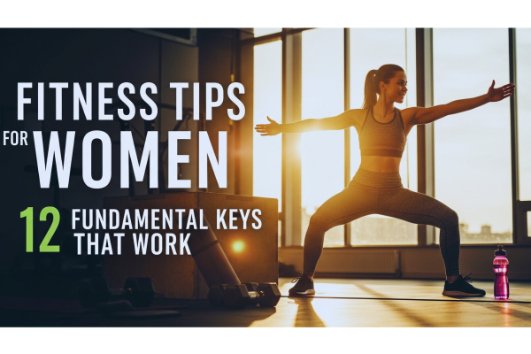
Women’s fitness tips have come a long way as new studies are revealing how the female body responds to exercise and nutrition, differently to that of men! A woman’s body changes so much throughout the different stages of her life, and whether you’re going through puberty, that ‘glow’ of pregnancy or the wonderful aftermath of it all – menopause; each time requires its own special brand of fitness and nutrition care.
The truth is that one-size-fits-all, “one size fits all” fitness generic advice is often doomed to fail women because it doesn’t consider the immense biological differences including hormone fluctuations, metabolic diversity, and certainly individual nutrition necessity. Women and Men Require a Different Nutritional Approach to Recovering Muscle Mass Following Exercise – Women Need Defined Refueling Within 45 Minutes; for Men Up To Three Hours.
This ultimate guide provides women with proven fitness tips covering strength and cardio concepts, nutrition timing, hormonal considerations for women and the psychology behind sustainable habit formation. Whether you are a newcomer on the weigh loss and healthy living scene or already well established, these time-tested tips can be guaranteed to work straight into your fitness regimen.
Understanding Women-Specific Fitness Needs
How Women’s Bodies React to Workouts May Depend on Their Hormones
The unique physiology of a women produces unique fitness and strength considerations that can majorly effect your training and nutrition protocols.
Key Biological Differences:
Hormonal variances influence women’s speedier post-exercise muscle breakdown, so recovery times will vary from men.
Nutritional Timing:
Women and men have different windows when it comes to refueling, with women ideally refueling within 30 to 45 minutes post-workout, while men can wait up to three hours.
Menstrual Cycle Impact:
Hormone levels change around the menstrual cycle and this has an effect on metabolism and energy in the body. In the first phase of the cycle, estrogen is high and insulin sensitivity, carbohydrate tolerance. During the luteal phase progesterone is higher and lipid oxidation goes up while carbohydrate metabolism goes down.
Body Composition:
Women physiologically require more fat than men for reproduction health and hormone balance, since women burn fat differently during exercise.
Addressing Common Women’s Fitness Concerns
A lot of women have common fitness challenges that may need a focused solution of some kind.
Osteoporosis Prevention:
Strength training is also essential for maintaining energy levels, muscle mass and bone density — the latter being crucial for preventing diseases like osteoporosis as women age. Estrogen is a bone-building hormone, and when women reach menopause and estrogen levels decline, strength training becomes increasingly important to maintain optimal bone health.
Iron Deficiency:
Iron deficiency is most prevalent in women and people with a high exercise intensity.
Muscle Loss:
We naturally lose muscle mass as we age, but for women in menopause, maintaining good bone health becomes even more of a concern.
12 Fitness Tips for Women
1. Make Strength Training A Priority 2-3 Times A Week

Include weight training [anything where you lift a weight or use your body weight for resistance including squats, lunges and pushups] to increase lean muscle mass and metabolism. Shoot for 2-3 days a week so you make sure to hit the muscles from front to back (calf raise, squat, lunge, calf raise).
Strength Training Benefits:
Increases bone density preventing osteoporosis
Boosts metabolism supporting weight management
Develops functional strength for overall ease of living
Improves body composition
Enhances confidence and mental health
Getting Started:
Master body weight exercises first to ensure your form is spot-on before moving on to added weights. Concentrate on compound movements using more than one muscle group at a time); they are more of total body workout.
2.Meet Your Protein Requirements

Protein is important for muscle repair and recovery, but many women think they need less than they do.
Protein Guidelines:
It is best to have consumed 70 grams of protein by the end of any given day so you start any training period well-fueled; meaning that your muscles were previously topped off and hydrated for exercise.
Post-Workout Protein:
Afterward you’ll want to consume about 20 grams of protein within 45 minutes, coupled with carbohydrates if you don’t intend to eat again in an hour or two.
Protein Sources:
Lean meats (chicken, turkey, fish)
Eggs and dairy products
Legumes and beans
Greek yogurt
Protein supplements when convenient
Even a big glass of chocolate milk can give muscles the mix of protein, carbohydrates and electrolytes they should — in theory — get after a tough workout.
3. Don’t Fear Dietary Fat

Fat provides energy, supports hormone health, immune function and is used for vitamin absorption: it should not be feared — it’s necessary. Swap non-fat or fat-free milk for 2% or whole to keep you fuller longer and support hormone health.
Healthy Fat Sources:
Avocados
Nuts and seeds
Olive oil
Fatty fish (salmon, mackerel)
Nut butters
Fat Benefits for Women:
Hormone production and balance
Menstrual cycle regulation
Vitamin A, D, E, K absorption
Sustained energy during workouts
Satiety preventing overeating
4.Time Your Nutrition Around Workouts
Eating the appropriate foods at the right times per-workout can make all of the difference in your performance. Try to have a well balanced meal 2-3 hours before training containing a nice blend of carbohydrates, proteins and fats.
Pr-Workout Nutrition:
At least an hour or two before you workout, mix some protein and carbs.
During Workout:
“For a long workout, it’s the sugar situation,” Ms. Chae said.“You need that easily digestible carbohydrate to keep blood sugar and energy up.” Good choices would be sports drink, gel or chews.
Post-Workout Recovery:
Just be sure to refuel with a meal or snack containing carbs and protein since within 30-60 minutes of when your workout ends.
5. Add 150 Minutes of Cardio to Your Week
Cardiovascular training is crucial to keeping your heart healthy and staying in shape. From a brisk walk to taking a bike ride, swimming or dancing — strive for 150 minutes of moderate-intensity cardio a week.
Cardio Variety:
Brisk walking or jogging
Cycling (stationary or outdoor)
Swimming laps
Dance classes
Elliptical training
Group fitness classes
Making Cardio Enjoyable:
The key is finding something that you’re doing for the love of the game, and that extends to spinning.
6. Optimize Carbohydrate Intake
Eating different sources of carbohydrate, such as whole grains, fruits and vegetables is very important for enhancing sports performance, especially if you engage in high-intensity or long-duration exercise programs.
Carbohydrate Benefits:
Carbohydrates provide energy to the central nervous system and muscles, as well as aid in digestion, microbe health and immune function.
Recommended Intake:
Carbs should compose between 45-65% of your total daily caloric intake.
Carb Timing:
Carbs boost levels of serotonin in the brain, so you might want to load up on some extra carbs if you are feeling down. For many dads with diabetes, whole grain carbs should be at the top of your list to help meet all of your nutritional needs.
7. Stay Properly Hydrated
Water, seltzer, juices, sports nutrition drinks, 6 to 12 ounces of coffee or tea and high-fluid fruits and veggies can all be ways to stay hydrated.
Hydration Strategy:
But you can help avoid dehydration by drinking water before, during and after exercise.
Hydration Indicators:
Inspect the color of your urine—if it is light yellow, you’re properly hydrated. Dark yellow indicates dehydration.
Hydration Beyond Water:
Along with water, you can meet fluid needs from the foods you eat, such as fruits and vegetables (AHA 2017).
8. Incorporate Flexibility and Mobility Work
Take a stretch or yoga or Pilates class every single week.
Flexibility Benefits:
Injury prevention
Improved range of motion
Reduced muscle soreness
Better posture
Stress reduction
Enhanced workout performance
Flexibility Practices:
Post-workout static stretching
Yoga classes (2-3 weekly)
Pilates for core and flexibility
Foam rolling sessions
Dynamic warm-ups before exercise
9. Listen to Your Menstrual Cycle
And during the lute al phase of the menstrual cycle — that last week or so before a period arrives — women may really want to eat more carbohydrates and even overeat. If it feels as if you’re a bit hungrier, that’s not in your head: Your body actually needs to eat more. Taking your cycle into account, heeding your hunger signals and letting yourself eat a little more to fuel training.
Cycle-Based Training:
Greater intensity in the first half of the cycle (funicular phase)
Moderate intensity during ovulation
Adjust expectations during lute al phase
Mild movement if you feel like it during menstrual period
Honor hunger and energy fluctuations
10. Check off iron and vitamin D requirements
Certain times of day – morning and after working out – may be optimal for iron absorption. Remember to combine foods high in iron like: dark, leafy greens and green vegetables with vitamin C for optimal absorption.
Essential Nutrients:
Another nutrient to pay attention to is vitamin D, which plays a role in muscle function, bone health, immunity and hormone health.
Iron Sources:
Dark leafy greens (spinach, kale)
Red meat
Lentils and beans
Fortified cereals
Pumpkin seeds
Vitamin D Sources:
Sunlight exposure
Fatty fish
Fortified dairy
Egg yolks
Supplements if deficient
11. Don’t Under eat—Fuel Adequately
The No. 1 mistake I see is that women don’t eat enough to support their workouts and it eventually leads to a plateau, fatigue or injury. If you’re not putting enough in, your body can think REST MODE and start storing everything other than using what it should be for energy / recovery.
Adequate Fueling:
Calculate actual caloric needs
Do not cut calories dramatically and train intensely
Honor hunger signals
Fuel around workouts properly
Track progress beyond scale weight
12. Build Sustainable Habits
It’s all about perspective and consistency on both nutrition and fitness. On-again, off-again dieting and sporadic exercise won’t deliver the sustained results you seek.
Habit Formation Strategies:
Prepare for the future by planning out your meals and know that you always have good, healthy options available when hunger strikes. Bring healthy snacks — fruit, nuts or veggie sticks — to thwart that pesky on-the-go hunger. 2Practice mindful eating: Hunger signals Eat mindfully : Listening to the body’s cues. Indulge in moderation—deny yourself of that serving of ice cream and you’re more likely to overdo it later.
Creating a Balanced Fitness Routine
There is no “one size fits all” when it comes to fitness. You need a workout plan tailored to your specific goals — whether that be getting stronger, becoming more flexible or de-stressing.
Sample Weekly Schedule:
Monday: Upper body strength work + 20 minutes of cardio
Tuesday Moderate cardio (30-40 min) + core work
Wednesday: Strength training (lower body)
Thursday: Yoga or Pilates
Friday: Full body strength or HIT 1 of 7 reklam lmlkl Show less
Saturday: Extended (45-60 min) cardio session
Sunday: Active recovery or rest
Best Foods for Active Women
“One of the biggest things we can do for our overall health and wellness is to focus on what foods our bodies need [for] long-term vitality, protection from disease and healthy aging,” she said.Consume more nutrient-dense foods —which fill you up quicker but are lower in calories— including a range of required vitamins and minerals.
Nutrition Priorities:
Leafy Greens:
They are chock-full of fiber, iron and calcium, all crucial for overall health — strong bones in particular.
Lean Proteins:
Foods like chicken, fish, tofu, turkey and beans are all helpful in supporting muscle health and regeneration – of special importance if you’re athletic.
Whole Grains:
Oats, quinoa and brown rice all provide sustained energy and are high in fiber for good digestion.
FAQs on Health and Fitness Tips for Women
What are the best fitness tips for women new to working out?
the most important basic tips for fitness for women starting out-#1 start off with weight 2-3 times a week strength training at an hour of body weight only before you jump into weights + aim to get in 150 minutes of moderate cardio throughout the doing something you love! #2 nutrition is key, girl eat your protein and aiming for at least 70g a day, as well as drinking enough water( before, during and after your workout) health being healthy isn’t counting calories it’s eating clean-whole foods ( there are also some good protein supplements/ vegan or not) #3 progress doesn’t happen overnight time is essential be patient but results will come if done right.I can speak from experience my results took nearly half a year to see significant difference all based on commitment;nutrition first ♥️ ■ Stay motivated my girl i know how scan kl. i fest ting fit can be but it becomes repetitive because we’re trying to create good habits overall Helpful? Do not measure yourself against others or think you can turn things around overnight. Instead of getting desperate, fixating on perfection and forgetting the very long game you’re playing, focus on consistency at a manageable intensity for your body, over time.As your body gets used to this amount of work (which might take weeks or months), it’s easy to work in challenging days – maybe days where you tell yourself “Focus really hard today”. Do remember: off-days aren’t laziness; they’re part of effective training.
What is the difference between workout advice in general and fitness tips for women?
The best fitness tips for women need to take into account physiological differences such as faster breakdown of muscle after working out-which requires refueling within a half-hour after exercise (rather than 3 hours or so), fluctuating energy and metabolism caused by the menstrual cycle, greater dietary needs for iron and calcium because of menstruation and bone loss considerations, different body composition targets with gender specific fat storage patterns, and special hormonal realities like pregnancy or menopause. Women are also at higher risk for osteoporosis and need to do bone-building strength training or lifting weights, they require more dietary fat for reproduction health and hormone balance than provided by generic plans, and might benefit from modified protein advice, especially if they are doing strength training or reach the postmenopausal years when muscle loss increases.
What to eat before and after workouts for best results?
For per-workout fuel, have a well-rounded meal 2 to 3 hours before exercising which includes protein, complex carbs and healthy fats or if you are closer to workout time, enjoy a small snack 30-60 minutes prior that consists of something like a banana with nut butter or Greek yogurt with berries. Post-exercise nutrition is especially important for women, who need to refuel within 30-45 minutes post-training with a combination of about 20 grams protein plus carbohydrates like chocolate milk, protein shake and fruit, Greek yogurt and granola, or chicken and sweet potato. This narrow refueling window makes even more of a difference for women, prompted by hormonal differences that result in faster muscle breakdown but also because skimping on post-workout nutrition can cause incomplete repair and persistent fatigue no matter how hard the workout was.
What do women have to do to get muscle without getting bulky?
Women “cannot get huge” from training with weights in general, due to hormones that they cannot change (can’t grow muscle like men, testosterone 10-20 times less), so fears about getting too bulky is impossible for the overwhelming majority of women. No, to the contrary: lifting weights will help get you it shape by adding a bit of muscle while cutting your overall body fat %. If you want to look athletic and strong but not diesel, work in a rep range with moderate weight of 8-12, include full body movements rather than isolated exercises, get enough protein (0.7-1g/lb) for muscle rebuilding if needed and eat slightly over maintenance if you’re actively trying to put on size or just at maintenance if recomposing..! Professional female bodybuilders are carrying around years of specialized training and nutrition and sometimes drugs—standard strength training makes regular people healthy looking while unattractive physiques from that training modality is rare.
What are some of the best health and fitness tips for women over 40?
The best fitness tips for women over 40 will include strength training at least 2-3 times a week — in order to fight off that age-related decline of getting frailer, in addition prevent bone density loss with the drop of estrogen… which is even more important compared to the younger stages. Add weight-bearing cardio for your bones, such as walking, jogging or dancing and keep up the variety to avoid repetitive use injuries. And ensure you are consuming enough protein (it may need to go up..to 1g per pound body weight in order to fuel muscle retention and recovery! Prioritize flexibility and mobility work in order to avoid getting rigid and losing function. Make sure there are adequate amounts of calcium, vitamin D, and omega-3 supporting the integrity of your bones, hormone levels, and inflammation. Listen to your body and if it’s telling you that you should taper off a bit between high-intensity workouts, try reducing intensity, or increasing recovery (based on how your body feels), find professionals who can address those more individual-scoped things head-on and also remember: over 40 fitness is about a lifetime, functionality and quality of life—NOT trying to beat out what we did in our 20s but becoming the strongest & healthiest versions of ourselves.
Conclusion To Your Sustainable Fitness Journey
The basic principles of nutrition and fitness is the core of your health, strength, and dominance. And remember, this is not about perfection but mindful little shifts every day in the service of your health.
These women’s health and fitness tips offer evidence-based solution working with the naturally occurring biological changes throughout a woman’s lifespan. From deciphering hormonal surges and when to eat, to establishing a grounded relationship with strength training, right down to learning how to honor the body’s whispers; these simple rules make up a set of enormous keys for lifelong health and vitality.
When you train well, proper nutrition can fuel your body so it performs at an optimal training and recovery level. Just keep in mind that the secret to success is balance, consistency and just listening to what your body needs.
Begin adding one to two of these fitness tips for women into your routine this week, building from there as habits form. The path of health is altogether personal, and each step on the journey should be honored. So whether you are just starting or recommitting to your wellness goals, understand that sustainable change is the product of small consistent action — not perfection.
Think of these fitness tips for women as guideposts on the path to becoming your strongest, healthiest and most vibrant self, at any age or stage of life.