
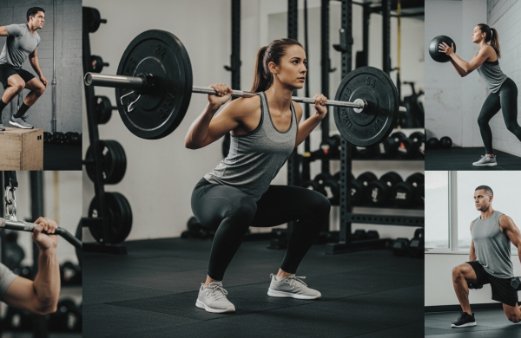
The most exciting change over the past few years to Volleyball training is functional strength training which has helped players gain explosive power, jump higher and become faster than ever before. Today’s volleyball is about so much more than technical skill – it’s about athletes who are capable of precision and power combined: fast, powerful attacks; court-sweeping digs; solid, stable passes.
The dynamic and high-impact nature of volleyball, including maximal vertical jumps, fast direction changes, dives for balls and powerful attacks during games and tournaments. This can lead to a lack of enthusiasm for the sport, poor performance and most importantly, weak muscles and the associated injuries that come with regular hitting and jumping.
This definitive manual provides all the skill instruction, conditioning essentials, and volleyball-specific workouts you need to elevate your game to the highest level. You’ll find out specifically how volleyball strength training improves every facet of on-court performance by avoiding the overuse injuries so many players encounter when they rely solely on the court for development.
How Volleyball Strength Training Will Level You Up Game at the Net
The Athletic Foundation of Court Conquest
Volleyball strength training focuses on the physical requirements needed for competitive play. Unlike most other fitness programs, this one is Volleyball specific – it focuses on vertical power for quick jumps and directional changes, shoulder stabilization and muscular endurance to allow for non-stop action during those long tourneys!
Performance Enhancement Benefits:
• Higher vertical jump for blocking and spiking.
• Improved burst for first-step quickness
• Enhanced shoulder strength and stability
• More core stability for equilibrium movement
• Lower risk of injury due to repetitive jumping
• Greater durability for multi-match tournaments
Study after study proves that implementing a structured volleyball strength training program can literally add 2-6 inches to your vertical jump, as well as increased attack power and defensive range. This improvement is due to improved intramuscular coordination, enhanced rate of force development and better landing mechanics.
Position-Specific Strength Demands
Various positions place emphasis on different physical needs in volleyball strength training programs. Being able to understand these distinctions becomes a tool for developing more efficiently for each role.
Position Requirements:
Outside Hitters:
Require great jumping stamina for multiple attack and block. Need power relative to both the upper and lower body.
Middle Blockers:
Ask for maximal vertical jump and fast lateral movement as well. ’Requires explosive power for quick block transitions.
Setters:
Depend on finger and wrist strength, core stability and lightning-quick footwork. Requires endurance for heavy collision match play.
Libbers:
Need more leg power for explosive dives and sharp side shifts. Require outstanding core stability.
Opposite Hitters:
How about strong right-side hitting and blocking? Need balanced athletic development.
Key Muscles for Volleyball Training There are just three main groups of muscles which are recruited need to be trained by every volleyball athlete.
Lower Body Power Systems
Performance between volleyball teams is essentially determined by the explosive performance of their lower limbs. Good Volleyball Strength training should emphasize Full leg development for the highest jumping power and court speed.
Primary Lower Body Muscles:
Quadriceps:
Power off the drive and control on the land. Strong quads equal high jumps and safe landings, so there’s less chance to get hurt in the knee.
G lutes and Hamstrings:
Create hip extension force necessary for the vertical jump. These are the muscles that kick you airborne.
Calves:
Give that extra push-off power during jumps and sprints. Vertical jump height is directly proportional to calf strength.
Hip Flexors and Abductors:
Unleash quick leg swings during an approach and friction less lateral waves when defending. This is largely ignored in volleyball strength training however it is key for maximum performance.
Core Stability and Transfer of Power
A strong core means the transfer of power from legs through to arms in attacks is efficient. VENTOLIN`S premium volleyball game training equipment gives priority to develop 360-degree core strength.
Core Training Priorities:
• Anti-extension endurance to stop fierce attacks
• Anti-rotation stability for symmetrical movements
• Rotational strength that applies to hitting mechanics
• Side balance when diving or in defensive positions
• Deep stabilizers to prevent injuries
High-level volleyball players maintain high levels of core stability during explosive actions, maximizing the transference of energy and reducing energy leaks that can hinder athletic performance.
Upper Body Power and Stability
Jumping is priority number one in volleyball, but upper body strength produces attack power as well as shoulder health. For a true VB strength program, include specific upper body work in your training!
Key Upper Body Areas:
Shoulders (Altoids and Rotator Cuff):
Create attacking strength while staving off wear and tear. One needs strong, stable shoulders if they hope to swing with power and without pain.
Upper Back and Lats:
Give passing Hall of Fame spikes a run for their money and enough power on your attack to help you dominate the game! Strong back muscles help maintain good posture during play.
Core and Obliques:
Work power from lower body through torso to arms. The torsional core strength: to enhance the serious speed.
Wrists and Forearms:
Management of ball control and setting accuracy. Something that is often overlooked in volleyball strength training but important for the technical aspect.
Top 15 Volleyball Strength Training Exercise!
1. Box Jumps and Depth Jumps
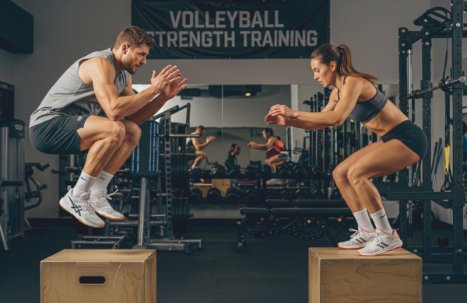
Explosive jumping ability is optimally developed with cliometrics. These are basic exercises in your program for volleyball strength training.
Execution:
60 Second Box Jumps: Jump explosively onto box, land softly and in athletic position then step back down.
Depth Jumps: Step off box, land softly and immediately explode up for maximum height.
Volleyball Benefits:
• Develops maximum vertical jump
• Improves reactive strength
• Enhances landing mechanics
• Builds explosive power
Programming: 5-8 jumps, (3-4 sets), 2x a week
2. Trap Bar Dead lifts
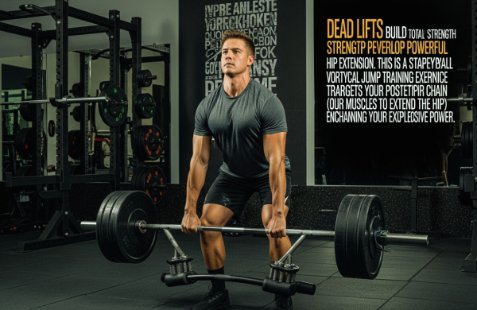
Dead lifts build total body strength and develop powerful hip extension. This is a staple volleyball vertical jump training exercise that target your posterior chain (the muscles used to extend the hip) enhancing your explosive power.
Execution:
Position yourself inside the trap bar.ueil@d.) Stand in the trap bar and take hold of the handles. Neutral spine, lats engaged, drive with heels and then hips to stand up.
Volleyball Benefits:
• Builds explosive hip power
• Strengthens entire posterior chain
• Develops jumping strength
• Improves overall athleticism
Programming: 3-4 x 4-6, two times per week
3. Bulgarian Split Squats

Single leg strength addresses imbalances and builds unilateral power, which is important for approach jumps. Volleyball Strength Training and Bulgarian Split Squats Bulgarian split squats are a must when you play volleyball.
Execution:
Place back foot on a bench behind you. Drop down by bringing front leg into a bent position until knee is almost touching ground. Drive through front heel explosively.
Volleyball Benefits:
• Develops single-leg jumping power
• Corrects strength imbalances
• Improves approach mechanics
• Builds powerful legs
How to do it: Do three sets of 8-12 reps on each leg, twice a week Programming: 3×8-12 per leg 2x a week
4. Medicine Ball Rotational Throws
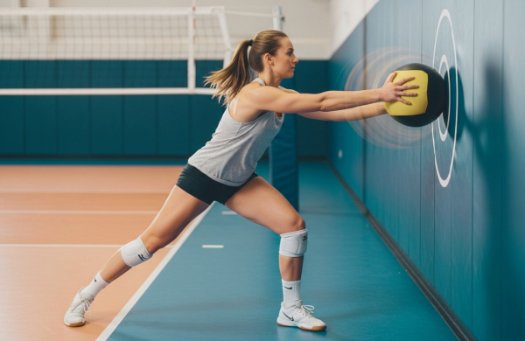
Power Rotational power for hitting is developed through these explosive medicine ball exercises. These exercises are great workouts for volleyball and are drills to make you jump higher for volleyball by incorporating sports specific exercise types.
Execution:
Place medicine ball next to wall and stand perpendicular to it. Pivot out loading back hip, explode into rotation toward wall throwing ball. Catch rebound and repeat.
Volleyball Benefits:
• Develops rotational attack power
• Strengthens core and obliques
• Improves hitting mechanics
• Builds explosive torso rotation
Programming: 3-4×8-10 each side, 2x per week
5. Overhead Medicine Ball Slams
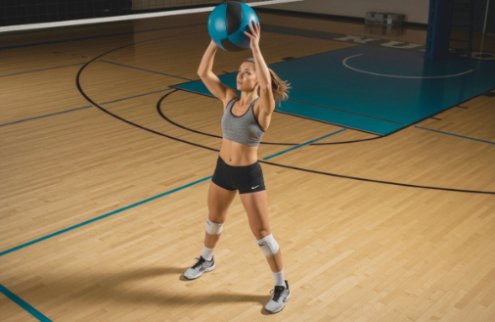
The most explosive full-body movement occurs with overhead slams. This volleyball strength training workout will focus on total body— building the aggressive power production needed in elite play.
Execution:
B Medicine Ball Overhead Holds Stand with arms extended overhead holding a medicine ball. Rise up, balancing weight on toes then slam balls into ground driving through entire core.
Volleyball Benefits:
• Explosive upper body power build-up
• Strengthens core for attacks
• Improves attacking aggression
• Builds power endurance
Programming int: 4×10-12 slams, 2 times per week
6. Single-Leg Romanian Dead lifts
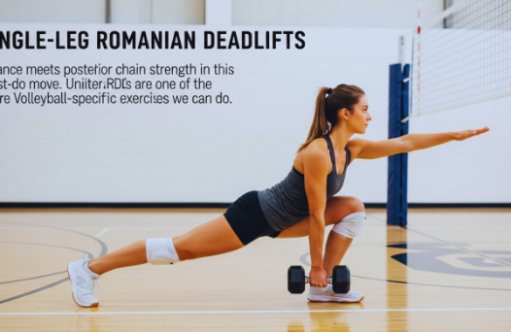
Balance meets posterior chain strength in this must-do move. Unilateral RDS’s are one of the more volleyball-specific exercises we can do.
Execution:
Begin standing on one leg, holding a dumbbell in the opposite hand. Pivot at hip, pressing free leg back as you drop weight. Maintain neutral spine throughout.
Volleyball Benefits:
• Develops single-leg stability
• Strengthens hamstrings and gluts
• Improves balance for landing
• Prevents injury through strength
Programming 3 sets of 10-12 reps per leg, 2x week
7. Landmine Press Variations
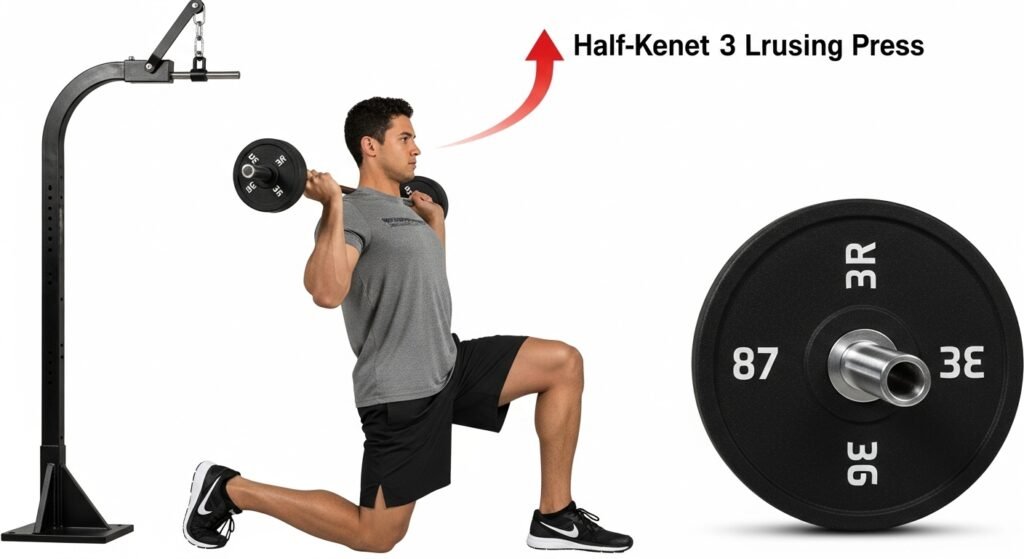
Excellent for building overhead power & shoulder stabilization with landmine pressing. These activities have some very specific advantages in terms of volleyball strength training.
Execution:
Grab end of barbell anchored on floor. Push barbell overhead from different positions (single arm, alternating, half-kneeling).
Volleyball Benefits:
• Builds overhead attacking strength
• Develops shoulder stability
• Strengthens core and shoulders
• Improves pressing power
Programming 3 sets, 8-12 reps of each variation, twice a week
8. Pallor Press and Anti-Rotation Work
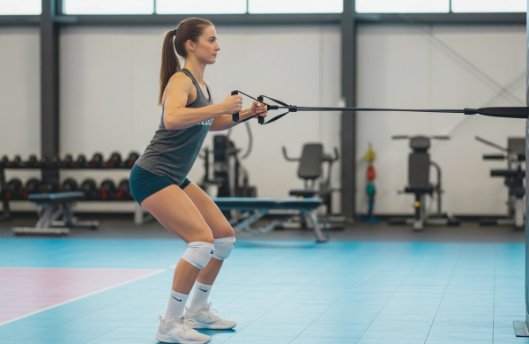
Core stabilization supports control of the body during explosive movement. Pall of Presses are essential anti-rotation in volleyball strength training.
Execution:
Stance yourself to file or band. Grasp handle held at chest level with each hand and push forward while resisting rotation. Hold then return with control.
Volleyball Benefits:
• Develops anti-rotation core strength
• Better body control in the air
• Maintains balanced movements
• Prevents energy leaks
Programming: 3×12-15/side, 3x per week
9. Broad Jumps
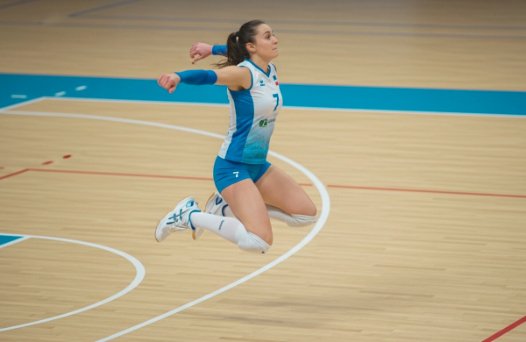
Broad Jumps help to develop horizontal power and explosive strength. This ploy drill adds multi-directional power to volleyball strength training.
Execution:
Stand with feet hip-width. back explosive jump leg out forward for distance swing arms out into the side of body (hug the ball) Land softly in athletic position.
Volleyball Benefits:
• Develops horizontal power
• Improves approach speed
• Builds explosive leg strength
• Enhances athletic movement
Programming: 3-4×5-8 jumps, 2x week
10. Dumbbell or Barbell Bench Press
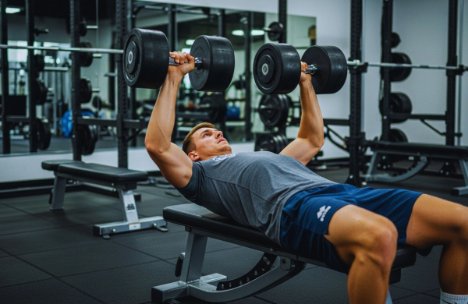
Pushing strength is a key to attacking power and general athleticism. Bench Pressing is Fundamental Upper Body Work in Volleyball Training.
Execution:
Start position: Lie on bench holding barbell or dumbbells at chest level. Press the weight up until arms are fully extended. Lower with control to chest.
Volleyball Benefits:
• Builds upper body strength
• Develops pressing power
• Strengthens chest and triceps
• Improves overall power
Programming: 3 x 6-10, 1-2/week
11. Lateral Bounds

Lateral Cliometrics Exercises Side-to-side power development is trained with lateral ploys. Lateral boundaries Football strength training with position-specific movements that are enhanced.
Execution:
Stand on one leg. Landing explosively on side of other leg. Stick landing moment then bound back.
Volleyball Benefits:
• Develops lateral explosiveness
• Improves defensive movement
• Builds single-leg power
• Enhances court coverage
Programming: 3 x 6 – 10 per direction, twice a week
12. Pull-Ups and Chin-Ups
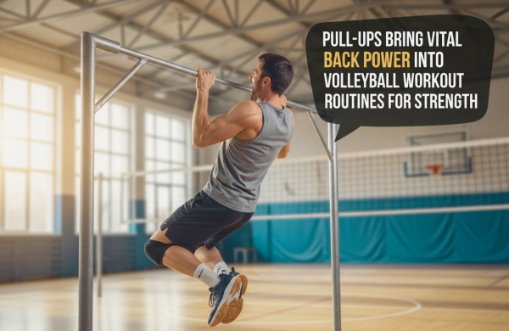
Your upper body pull strength will counteract the pressing work but having some strength to your pulling movements offers balanced functional strength. Pull-ups bring vital back power into volleyball workout routines for strength.
Execution:
Hold on to pull-up bar at different widths. Raise body up until chin is above the bar. Pull back up, and lower down under control, keeping your body tight.
Volleyball Benefits:
• Develops upper back strength
• Builds pulling power
• Improves shoulder stability
• Balances upper body development
Programming 3-4×8-12, 2x week
13. Goblet Squats
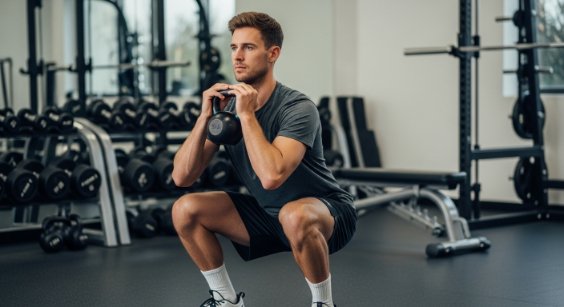
Goblet squats are a synthesis of lower body strength and mobility. This all-purpose volleyball strength training drill will help your athletes develop correct squat mechanics and train leg strength.
Execution:
Grip kettle bell or dumbbell at chest level. Squat with chest up and weight in heels. Drive through heels to stand.
Volleyball Benefits:
• Develops leg strength
• Improves squat mechanics
• Builds jumping power
• Enhances hip mobility
Programming: 3 sets of 10-15 reps, twice a week
14. Face Pulls and Reverse Flyers
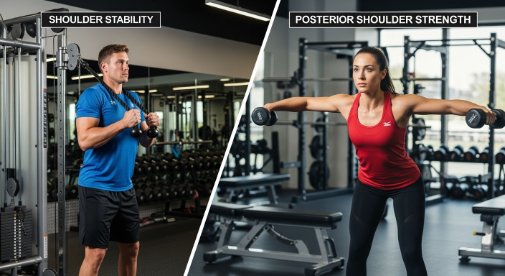
Shoulder stability and posterior shoulder strength deserve special focus. These drills for volleyball help to avoid general injuries and enhance performance.
Execution:
Face Pulls: Pull rope into face by pulling hands apart and squeezing shoulder blades.
Reverse Flyers: Lift dumbbells to sides while bent over, squeezing shoulder blades together.
Volleyball Benefits:
• Prevents shoulder injuries
• Strengthens rotator cuff
• Improves posture and stability
• Balances shoulder development
HOW TO DO IT: Perform 15 to 20 reps of 3-4 sets, three times a week **PROGRAMMING TIP: supporting headstand elbow0shot yoga Pose Benefits2To work your way up to five consecutive minutes on one foot in forearm stand, spend some time practicing with both feet on the ground.
15. Plank Variations (Front, Side, Extended)
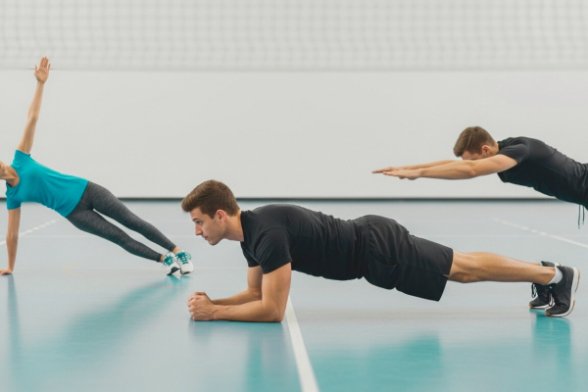
Core stability is the basis of athletic motion. Planking derivatives are great exercise to develop stability, which is critical for volleyball strength training.
Execution:
Front Plank: Forearms and toes support body in a straight line.
Side Plank: Body supported on one forearm and side of foot.
Extended Plank: Front plank with either arms extended or feet elevated.
Volleyball Benefits:
• Develops core endurance
• Maintains body control
• Strengthens stabilizers
• Prevents lower back issues
Programming 3-4 sets of 30-60s, 3-4 x/week
## Structuring Volleyball Strength Training Across the Season
Off-Season Strength Development
Off-season is the time to increase maximal strength and power. Volleyball strength and conditioning in the off-season should focus on progressive overload, as well as sport specific athletic development.
Off-Season Training Focus (10-14 weeks):
• Development of maximal strength (3-6 rep ranges)
• Larger Number of Exercises (4 to 5 workouts per session)
• Hypertrophy work for Muscle gaining
• 3-4 strength sessions weekly
• Integration with skill development
• Vertical jump focus
Weekly Off-Season Structure:
• Monday: Strength (lower body) + cliometrics
• Tuesday: Skills training
• Wednesday: Upper body strength + core
• Thursday: Skills training
• Friday: Whole body power + conditioning
• Weekend: Active recovery or skills
Pr-Season Power Transition
Preseason Strength/Power training for Volleyball focuses on the increased development of power and sport specific conditioning, maintaining gains in strength.
Pr-Season Training Focus (6-8 weeks):
• Power development emphasis
• Psychometric training increase
• Reduced volume, maintained intensity
• 2-3 strength sessions weekly
• More recreational play, court time and team practice
• Position-specific conditioning
In-Season Maintenance
In-season volleyball strength training preserves physical qualities and helps prepare you for recovery in between games or tournaments.
In-Season Training Focus:
• 1-2 maintenance sessions weekly
• Emphasis on explosive movements
• Lower volume (2-3 exercises per session)
• Injury prevention priorities
• Recovery-focused approach
• Scheduled around match days
In-Season Weekly Structure:
• Monday: Strength maintenance (if weekend game)
• Tuesday: Team practice
• Wednesday: Light strength + ploys
• Thursday: Team practice
• Friday: Skills/tactics
• Weekend: Matches or rest
Preventing Injuries in Volleyball Strength Training
Common Volleyball Injuries
Volleyball athletes abound in the United States, and they have inherent injury risks due to repeated jumping and overhead activities. Good volleyball strength training takes care of those weaknesses in advance.
Frequent Volleyball Injuries:
Ankle Sprains:
Most typical volleyball injury via an awkward land. Bone up on ankle stability and strength.
Patellae Tendinitis (Jumper’s Knee):
Overuse injury from repetitive jumping. Correct eccentric strength and a sensible load control should counteract this.
Shoulder Issues:
Rotator cuff strains and impingement due to repetitive overhead strikes. Shoulder stability work proves essential.
Finger Injuries:
Jams and sprains from being hit with a ball. It can also help to have a good grip and do the movement correctly to prevent these injuries.
Lower Back Pain:
The lumbar gets tired when you lift with a weak core and repetitive rotation. Core strength prevents these problems.
Preventive Exercise Strategies
Selective routines from volleyball strength training means you can easily avoid most of the common injuries.
Injury Prevention Priorities:
• Exercises for ankle stability (single-leg balance, wobble board)
• Building Run-Specific Strength: Eccentric leg strength for tendon health
• Examples: rotator cuff exercises to stabilize of the shoulder
• Core stability to protect the spine
• Proper landing mechanics training
• Joint health mobility work
Incorporate injury prevention exercises with all volleyball strength training, including in the midst of the competition season.
Landing Mechanics Training
A good landing technique can reduce knee and ankle injuries and also make vertical jump more effective. This finding points to the necessity of following volleyball strength training with an emphasis on quality landings.
Landing Technique Focus:
• Land on balls of feet first
• Direct impact through the whole leg
•Keep knees in line with toes
• Lower yourself down to the ground using your gluts and quads
• Don’t let knees collapse into a vagus position
• Do it from different heights and practice landing
Nutrition for Volleyball Strength Training If you’re like me when I started this journey, the first question that comes to mind is what do I even eat?
Fueling Athletic Performance
Volleyball players participating in court and strength training need specific nutrition to fuel all aspects of training, while also enabling effective recovery.
Nutritional Requirements:
Protein Needs:
Volleyball athletes participating in volleyball strength training should ingest The amount of protein per day to dose is 0.6-0.8 grams per pound of body weight. Muscle recovery & develop – protein also provides support for muscle reconstruction and recuperation.
Carbohydrate Demands:
Carib Intake: a LOT during court work and strength. The majority of athletes require 2-4 grams per lb body weight a day, based on the amount of their training.
Hydration Importance:
Hydration takes a toll in jumping performance and recovery. Shoot for a minimum of half your body weight in ounces per day, adding on training days.
Tournament Nutrition Strategy
Multi-match tournaments require specific nutrition strategies that assist in maintaining performance over several days.
Tournament Fueling:
• High crab load 24–48 hours prior to the race
• Light between-games nutrition
• Optimal protein timing for recovery
• Electrolyte replacement during play
• Post-match recovery nutrition protocols
Assessing Volleyball Strength Training Progress
Key Performance Indicators
Monitoring the training will guarantee that volleyball strength patters that it effects the most desired increases you selected. Multiple metrics provide comprehensive assessment.
Performance Metrics:
Vertical Jump Height:
This is the first study to examine changes in task-specific strength following a volleyball strengthening prevention program. Perform testing at regular intervals with approach jump and standing vertical jump.
Broad Jump Distance:
Represents horizontal power, and the power to jump, or explode.
Attack Velocity:
On court test of power transfer to ball. Employing radar gun or video analysis.
Court Movement Speed:
Functional power enhancement is demonstrated by timed defensive movement exercises.
Strength Metrics:
Monitor primary lifts (dead lift, squat, bench press) to demonstrate the foundation of increasing strength.
Testing Protocols
Testing your players shows you just how effective the volleyball strength training program is.
Recommended Tests:
• Vertical jump (approach and standing)
• Broad jump for distance
• Pro agility shuttle (5-10-5)
• Medicine ball rotational throw
• Optimal strength in specific exercises
Testing Schedule:
»Test every 6-8 weeks, not days before a big game on Complete testing is performed.
Volleyball Strength Training FAQs
How frequently should volleyball players engage in strength training during a week?

In season training frequency Frequent varies on playing level and competitive season. During the conversion phase (off season), players engage in 3-4 strength sessions per week with focus on developing maximal strength and power. Pr-Season – cut back to 2-3 and as on court training raises. 1-2 maintenance sessions can help maintain a strength gain during the competitive season by recovering from games. Youth players (less than 14 years old) at minimum of 2 weekly sessions that prioritize movement quality and injury prevention. Top level and college kids can train 4 days a week during off-season. The secret is a balance of volleyball strength training and court practice to get the best out of both without over-doing it.
My vertical jump will decrease with volleyball strength training?

Not if properly programmed Volleyball Strength training adds major inches to your vertical jump. This is a myth that was born from the inappropriate training in bodybuilding-style, which has nothing to do with volleyball-specific exercises.. Contemporary volleyball strength training focuses on the fact that explosive movement, cliometrics, and power all help improve your jumping ability. One great way to do this is working with resistance. Research consistently indicates that volleyball players who strength train are averaging 2-6 inches higher than those who do not. With much stronger strength work, the top volleyball players around the world rarely brown bag jumping prowess. The differentiation is the correct selection of exercises, how to incorporate explosive in training and into some form of correct personalization to improve your weak/inefficient jumpers.
Are setters training their strength differently than hitters?
Setter Position ally and Hitter Strength Training Every volleyball position in the lineup performs similarly during foundational volleyball strength training, but setters may want to focus more on one area than others. First and foremost, setters need strong fingers, wrists flexibility; as well as a stable core to make quick movements so their bodies can get behind the ball, and lower body strength to be able to set from various positions. They could use slightly less volume for upper body pressing so they do not fry their shoulders. Hitters need a focus on maximum vert jump development, rotating power when attacking and more upper body strength to drive through the ball. But both jobs call for all-around athleticism and that’s where volleyball strength conditioning comes into play. Sports-specific emphasis increases to a greater extent at the elite level than does basic strength (see fig 3).
Is volleyball strength training effective for preventing jumper’s knee?
Yes, a well “designed” (the inverted commas will be explained further down this article) resistance training program for volleyball is the key to minimizing one of the main risk factors for patellae nephropathy (jumper’s knee) through eccentric strength development and load management. Eccentric exercises, such as slow descent phases of squats, strengthen the patella tendon and allow it to better tolerate repeated jumping stress. 38 Volleyball strength training also develops good landing mechanics that prioritize force fitting safely through the body. Also, you get the posterior chain work (gluts and hams), which helps prevent quad dominance that causes knee problems. Many athletes with symptoms of jumper’s knee experience successful rehabilitation with a well planned volleyball strength program, focused on eccentric exercise and an appropriate progression in volume. Prevention is always better than the restorative methodology following pain.
When will I see benefits from volleyball strength training?

For the vast majority of volleyball players, they are going to find that A) they start experiencing improvement within their first 4-6 weeks of consistent volleyball strength training and B) experience significant “gains” or results within an 8 –12 week time frame. Improvements there come earlier in the week – and include improved jumping stamina, body control and power feel. Quantifiable improvements in vertical leap will generally be found between week 6 -8 (beginners), those with more experience may take a little longer for growth to become noticeable if already advanced and nearing genetic limitation. Both attack power and court speed increase as training cycles advance. Strength gains progress in phases (1-4 weeks being neural adaptations, 6-12+ actual muscle and strength progression). Results and Timeline It all comes down to technique and programming; they will dictate how soon you see results While short term patient approaches feature much less, immediate end results.
Summary and Practical Application: Strength Training to Improve Volleyball Performance
If you didn’t strength train for volleyball 20 years ago, that was considered a choice, something that could make a difference but wasn’t absolutely essential. The additional vertical jump, explosiveness, injury reduction and increased athleticism developed from progressive strength work is the bare minimum for on-court performance excellence.
Everything you’ll find in this resource on volleyball strength training – from the exercises to programming strategies, and more – will equip with you what you need to construct top-notch volleyball-specific strength protocols. Whether you are chasing a spot on the division 1 team or a club championship, you need a plan and the right workout to help maximize your potential!
Volleyball Strength Training is A Lifestyle Stick with the volleyball strength program and let’s see what you can do. Sustainable growth is the result of solid training and learning over months and years; it is not crash programs before tournament season. Begin with fundamental movements, learn to do them correctly, then incrementally challenge your body as it adjusts to training.
It is well known that the benefits of volleyball strength training are not just confined to better performance on the court. Increased strength, power, injury prevention and athletic development contribute to the quality of life off the court while lengthening your competitive volleyball career. This is a skill development session that offers a wide variety of strength and conditioning exercises that will be the perfect compliment to on court teachings. -Many players find balanced strength training helps them to become te best possible athletes and perform at their best during long seasons or grueling tournament schedules.
Embark on your journey to volleyball strength training today with the exercises and premises in this guide. Your future self — and your teammates who are watching you crush it at the net — will thank you for committing to full body athletic development. The ability to improve your game of volleyball is already within you, waiting to be discovered and unlocked by smart strength training that supports the work you do on the court.
Enter the weight room with as much commitment you give to training, & then exceed your own goals. Champions are made of a blend of technical skill and physical power- volleyball strength training forms the base from which to showcase your talents at the elite levels.